TL;DR: Australia's cost-of-living crisis and urgent climate goals highlight a critical energy equity gap for apartment dwellers. Unlike homeowners, many multi-unit residents face significant barriers to accessing solar energy benefits, leading to higher electricity bills and hindering collective emissions reduction efforts. Addressing this disparity through innovative shared solar solutions is vital for a fair and sustainable energy future.
How Does Australia's Cost-of-Living Crisis Impact Energy Bills for Apartment Dwellers?
Australia's escalating cost-of-living crisis significantly impacts energy bills for apartment dwellers, who often lack the same avenues as homeowners to mitigate rising electricity prices. With wholesale energy costs increasing and global events influencing local markets, households across the country have seen their power bills jump, often by 10-20% year-on-year. For someone living in an apartment, with an average annual electricity bill potentially ranging from $1,200 to $2,000, these increases translate to hundreds of extra dollars a year. Unlike standalone house owners who can often install a 6.6kW solar system for around $5,000-$8,000 (after rebates) and drastically cut their grid reliance, apartment residents are frequently locked into purchasing 100% of their power from the grid, with no direct means to generate their own renewable energy or benefit from feed-in tariffs. This disparity creates a two-tiered energy system where the financial burden of high energy costs falls disproportionately on those without access to rooftop solar.
The Hidden Costs for Non-Solar Households
Non-solar households, particularly those in apartments, bear the full brunt of fluctuating energy prices without the buffer of self-generated power. While homeowners with solar can offset peak tariffs by using their own electricity during the day, apartment dwellers face these charges head-on, often paying between 25-40 cents per kWh in peak periods, depending on their state and retailer. Beyond the direct consumption charges, they also pay supply charges, network costs, and various environmental levies that are softened for solar homes by their reduced grid reliance. This means that a typical apartment household in Sydney or Melbourne, even with careful energy usage, might still struggle to keep their quarterly bill under $400, a figure that is increasingly unsustainable for many families and individuals battling inflation across all essential services.
Renters vs. Owners: A Divide in Energy Savings
The divide in energy savings is particularly stark between renters and apartment owners, and even more so when comparing them to homeowners with solar. Renters in apartments have virtually no control over energy infrastructure, relying entirely on their landlord or body corporate to make improvements, which are rare when the direct financial incentive isn't clear for the property owner. Apartment owners, while having more agency, face complex strata laws and collective decision-making processes that often impede individual solar installations or even shared initiatives. This results in a situation where millions of Australians, through no fault of their own, are denied the substantial financial relief that solar energy offers, exacerbating cost-of-living pressures and deepening energy inequality.
Why Is Climate Action for Apartments Crucial for Australia's Net-Zero Goals?
Climate action for apartments is crucial for Australia's net-zero goals because the multi-unit dwelling sector represents a significant, yet largely untapped, opportunity for emissions reduction. Residential buildings, including apartments, contribute approximately 20% of Australia's total greenhouse gas emissions, primarily through electricity consumption for heating, cooling, and appliances. While standalone homes have embraced solar at record rates, apartment buildings, which house a growing proportion of the population in major cities like Sydney and Melbourne, have lagged significantly. Ignoring this segment means overlooking millions of potential solar households and their collective emissions footprint, making it incredibly difficult to meet ambitious targets such as the national goal of 43% emissions reduction by 2030 and net-zero by 2050. Integrating solar into apartment living isn't just about individual energy savings; it's about decarbonising a substantial part of the built environment and ensuring that the transition to renewable energy is truly comprehensive.
Bridging the Renewable Energy Gap
Bridging the renewable energy gap means actively seeking solutions that allow apartment residents to participate in Australia's clean energy transition. Currently, the "missing middle" in solar adoption largely consists of multi-unit dwellings due to structural, legal, and financial barriers. This gap not only slows down overall decarbonisation but also creates a perception that climate action is primarily for homeowners. Shared solar models, community batteries, and innovative financing mechanisms are essential to unlock the vast rooftop potential of apartment buildings. By converting large, underutilised rooftops into power generation sites, apartment solar can significantly increase the amount of renewable energy fed into the grid, reducing reliance on fossil fuels and driving down the carbon intensity of the entire energy system. This collective contribution is indispensable for Australia to reach its climate commitments and foster a genuinely sustainable energy future.
Collective Action for a Greener Grid
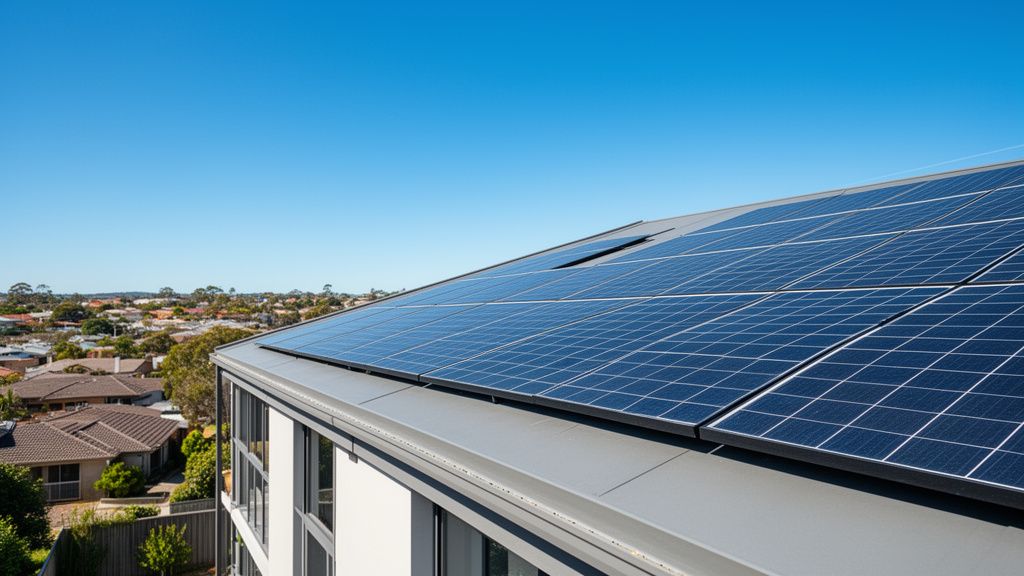
Collective action from apartment communities can significantly contribute to a greener national grid, offering benefits beyond individual energy savings. When multiple apartments in a building or complex share a solar system, the aggregated power generation can be substantial, akin to a small-scale solar farm. This reduces demand on the grid during peak times, particularly on hot summer afternoons when air conditioning units are running full tilt, thereby decreasing the need for highly polluting 'peaker' plants. Furthermore, the uptake of apartment solar sends a strong market signal to energy providers and policymakers, encouraging more investment in grid infrastructure capable of handling decentralised renewable energy. By empowering apartment residents to become active participants in renewable energy generation, Australia can accelerate its transition away from fossil fuels, enhance grid stability, and create a more resilient, sustainable energy system for everyone.


What Is Energy Equity and Why Is It More Important Than Ever for Multi-Unit Dwellings?
Energy equity refers to the fair and just distribution of energy benefits and burdens, ensuring all individuals and communities have access to affordable, reliable, and clean energy, regardless of their housing type or socioeconomic status. For multi-unit dwellings, energy equity is more important than ever because current energy policy and market structures disproportionately exclude apartment residents from the economic and environmental advantages of renewable energy. With the cost-of-living crisis squeezing household budgets and the climate crisis demanding urgent action, the inability of millions of Australians in apartments to access solar power represents a significant failure of energy equity. It perpetuates a system where those with less capital or less control over their living situation are forced to pay higher energy prices and bear a greater share of fossil fuel-dependent energy costs, while wealthier homeowners reap the benefits of solar subsidies and savings.
Overcoming Barriers to Apartment Solar
Overcoming barriers to apartment solar is fundamental to achieving energy equity. Historically, complex strata title regulations, high upfront costs, limited roof space per unit, and the difficulty of allocating benefits have made solar installation on multi-unit dwellings challenging. For instance, obtaining agreement from a body corporate, which might require a 75% vote in some states, can be a lengthy and often insurmountable hurdle. However, innovative solutions like strata-friendly solar systems that allocate generation credits, virtual net metering, and specialised financing options are emerging. These solutions aim to simplify the process, reduce initial outlays, and fairly distribute the energy generated among residents. Implementing these mechanisms broadly is crucial to democratising access to solar and ensuring that apartment living does not equate to being excluded from the renewable energy revolution.
The Economic and Social Upside of Shared Solar
The economic and social upside of shared solar for apartment buildings is substantial, making energy equity a win-win for individuals and society. Economically, shared solar systems can significantly reduce electricity bills for all participating residents, offering relief from the cost-of-living crunch. For a medium-sized apartment building, a 30kW shared solar system could cost around $30,000-$40,000 to install, potentially saving residents hundreds of dollars annually each, leading to a payback period of 5-8 years. Socially, it fosters community cohesion by allowing residents to collectively invest in a sustainable future. It also enhances the property value of the building, making apartments more attractive to environmentally conscious buyers and renters. Furthermore, by enabling more people to participate in climate action, shared solar promotes a sense of collective responsibility and contributes to a more equitable and sustainable Australia.
Key Takeaways
- Apartment dwellers in Australia face disproportionately higher energy costs due to limited access to solar energy, exacerbating cost-of-living pressures.
- Integrating solar into multi-unit dwellings is crucial for Australia to meet its net-zero emissions targets, as this sector represents a significant untapped resource.
- Energy equity means ensuring fair access to affordable, clean energy for all, irrespective of housing type, and is currently lacking for apartment residents.
- Overcoming barriers like complex strata laws and funding models is essential for widespread apartment solar adoption.
- Shared solar initiatives offer substantial economic savings for residents and foster community engagement, contributing to a greener, more equitable energy future.
Read More
For a comprehensive overview, check out our master guide: Read the Full Guide Here.