SolarInsights: 6.6kW Solar System Costs in 2025 - A City-by-City Australian Breakdown
Thinking about making the switch to solar power? A 6.6kW solar system is a popular choice for Australian households, offering a sweet spot between affordability and energy generation. But how much will it actually cost you in 2025, and does it vary depending on where you live? This SolarInsights blog post breaks down the costs, city by city, so you can make an informed decision. For a deeper dive, check out our Complete Guide.
Why 6.6kW is the Sweet Spot
Several factors contribute to the popularity of 6.6kW solar systems in Australia. Firstly, they provide a good balance of energy production for many homes. Secondly, they're generally quite affordable thanks to government rebates and falling solar panel prices. Finally, approval for grid connection is usually straightforward.
Typical System Components
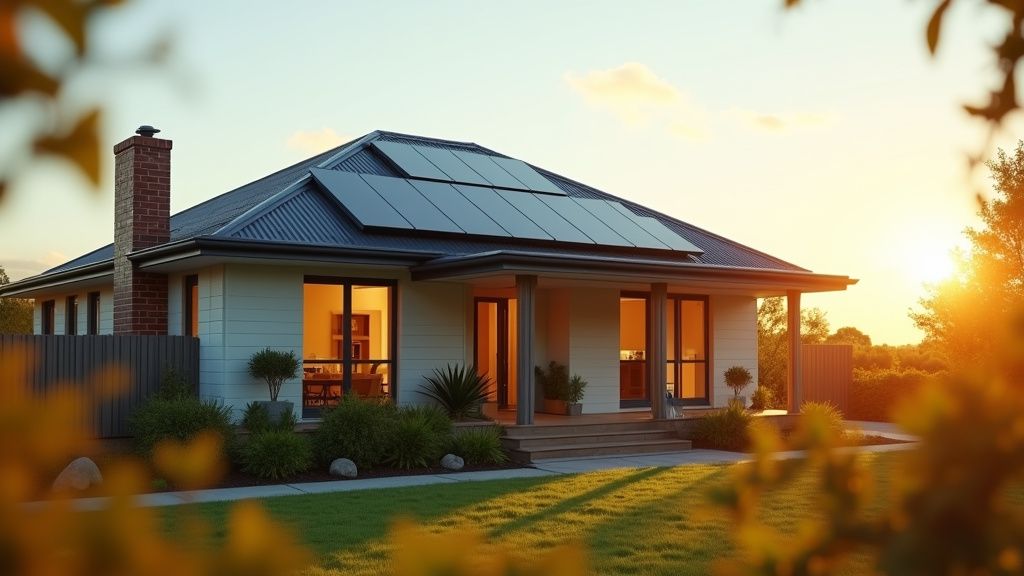
A 6.6kW system consists of solar panels, an inverter, and the necessary mounting hardware and wiring. You'll typically need between 15 and 20 solar panels, depending on the wattage of each panel. Modern panels range from around 330W to 460W each. Each panel takes up roughly 1.7m2 of roof space, so you'll need approximately 34-38m2 of unobstructed roof area. Bear in mind that this may increase depending on roof layout and whether you require tilt frames.
Interestingly, many 6.6kW systems utilise a 5kW inverter. This might seem counterintuitive, but it's a common practice called "overclocking." Electrical networks often pre-approve 5kW inverters for grid connection, making them a more readily available and cost-effective option. The Clean Energy Council allows overclocking up to 33%, meaning a 5kW inverter can handle up to 6.6kW of panels. This setup allows you to capture more solar energy during the early morning and late afternoon, even if peak production is capped at 5kW during the sunniest parts of the day.
Cost Breakdown: A City-by-City Look for 2025

As of 2025, you can expect to pay around $0.89 per watt for a 6.6kW solar system after the federal STC rebate. This equates to roughly $5,800 for a complete system. However, prices can fluctuate depending on your location. Several factors influence these regional variations, including installer competition, local regulations, and transportation costs. While precise figures change frequently, you can anticipate costs to fall within a range of approximately $5,000 to $6,000 after the STC rebate.
Energy Production: Location Matters
The amount of electricity your 6.6kW system generates will depend largely on your location and the amount of sunlight you receive. Expect to see higher energy yields in summer and lower yields in winter. As a general guide, a well-placed 6.6kW system can produce approximately 19-30 kWh of electricity per day on average. Actual figures will depend on factors such as panel orientation, shading, and weather patterns.
Adding Battery Storage
Many homeowners are now considering battery storage when investing in solar. A 6.6kW system is generally considered the minimum size suitable for pairing with a battery. For most households, this system size provides ample surplus energy to store for later use. Battery sizes typically range from 10kWh to 13.5kWh.
Payback Period and ROI
One of the most important metrics for evaluating a solar investment is the payback period – the time it takes for your system to pay for itself through energy bill savings and feed-in tariff credits. Payback periods vary based on system cost, energy consumption patterns, and feed-in tariff rates. Several tools are available online that allow you to estimate payback periods based on your specific circumstances. Generally, lower system costs and higher levels of solar self-consumption will result in faster payback periods.
Is a 6.6kW System Right for You?
A 6.6kW solar system is a great option for many Australian homes, offering a balance of affordability and energy production. To determine if it's the right choice for you, consider your energy consumption, roof space, and budget.
Remember to compare quotes from multiple installers and carefully evaluate the quality of the components offered. While attractive deals can be tempting, prioritize reputable brands and experienced installers to ensure a long-lasting and efficient system. By doing your research and considering your individual needs, you can make a smart investment in solar energy and enjoy the benefits of clean, affordable power for years to come.