TL;DR: REC's Alpha series panels use advanced N-type heterojunction (HJT) cells for superior power density and efficiency, while the N-Peak 2 series offers robust N-type TOPCon technology, providing excellent value. Both come with strong product and performance guarantees, with Alpha typically offering a longer product guarantee and higher end-of-life performance.
What makes the REC Alpha series a premium solar panel?
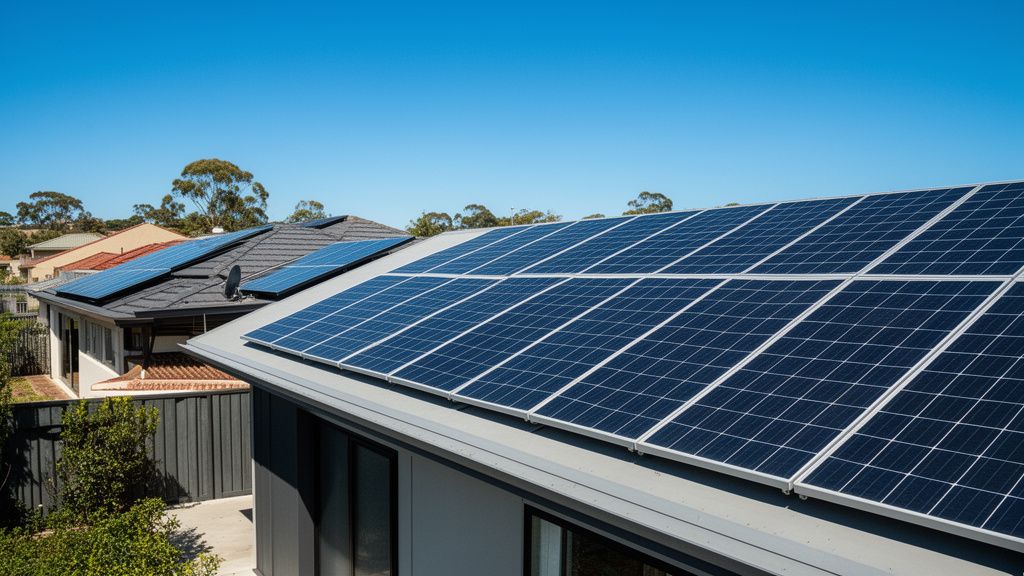
The REC Alpha series uses advanced N-type heterojunction (HJT) cell technology, which delivers higher power output and efficiency, especially in Australian conditions. This technology combines the best aspects of crystalline silicon and thin-film cells, resulting in a panel that captures more sunlight and converts it into electricity more effectively. For homeowners in Sydney or Brisbane, where roof space can be limited, the Alpha series allows you to generate more power from a smaller footprint. For example, a 6.6kW system using Alpha panels might only need 16-17 panels, whereas other technologies could require 20 or more for the same output. This density translates directly to higher energy yields over the system's lifetime.
Cell Technology and Performance
Alpha panels feature N-type HJT cells, which naturally resist power degradation issues like light-induced degradation (LID) and potential-induced degradation (PID) better than standard P-type panels. This means the panels maintain their performance closer to their initial output for longer. The unique twin-panel design also reduces internal resistance, improving performance in partial shade conditions, a common challenge for many Australian roofs. A standard REC Alpha Pure-R 430W panel can produce over 2,000 kWh annually in a sunny location like Perth, contributing significantly to reducing quarterly power bills. The high-efficiency rating, often exceeding 22%, places Alpha among the most powerful residential panels available in Australia.
Key Features and Pricing for Australian Homes
REC Alpha panels typically come with a robust frame design and a sleek, full-black aesthetic that appeals to many Australian homeowners. While their initial cost is higher than many competitors, the long-term energy yield and durability often justify the investment. For instance, a 6.6kW system using Alpha panels might cost between $7,500 and $9,500 fully installed in metro areas, depending on the installer and specific panel model. This price point reflects the advanced technology and the premium guarantees that accompany these panels. Despite the higher upfront expense, the increased electricity generation and extended lifespan contribute to a better overall return on investment for those prioritising top-tier performance and reliability.
How does the REC N-Peak 2 series compare in technology and value?
The REC N-Peak 2 series employs N-type TOPCon cell technology, offering excellent performance and reliability as a high-value alternative to the Alpha series. While not quite reaching the peak efficiency of the Alpha HJT cells, N-Peak 2 panels still deliver strong power output and good performance characteristics, making them a popular choice for many Australian installations. These panels excel in various environmental conditions and are built to withstand harsh weather, including the high temperatures experienced during Australian summers, without significant performance drops. A 6.6kW system built with N-Peak 2 panels provides a substantial amount of clean energy, capable of offsetting the majority of daytime electricity usage for a typical family home in regional Victoria or South Australia.
N-type TOPCon Advantage
N-type TOPCon technology, or Tunnel Oxide Passivated Contact, provides high efficiency and strong resistance to degradation mechanisms like LID and PID, similar to HJT cells but through a different architecture. This makes N-Peak 2 panels more resilient than traditional P-type panels, maintaining their power output effectively over decades. The N-type silicon wafer itself contains fewer impurities, which helps prevent performance losses over time. This technology delivers a powerful and consistent energy flow, making it a reliable backbone for any residential solar setup. Many installers in Queensland recommend N-Peak 2 for its blend of performance and proven durability in high-sunlight environments.
Cost-Effectiveness for Australian Households
REC N-Peak 2 panels generally position themselves as a high-performance, mid-range option in the Australian market. A 6.6kW system using N-Peak 2 panels might cost between $6,000 and $8,000 fully installed in most capital cities. This price point makes them more accessible than the Alpha series while still offering superior technology and guarantees compared to many budget panels. They deliver a robust energy yield and a good payback period, often between three and six years for average Australian households, depending on location and electricity usage patterns. The N-Peak 2 series strikes a good balance between upfront investment and long-term performance, representing solid value for homeowners wanting quality and reliability without stretching to the absolute premium end.

What are the specific guarantees for REC Alpha and N-Peak 2 panels?
REC provides robust product and performance guarantees for both Alpha and N-Peak 2 panels, with the Alpha series typically offering a longer product guarantee and a stronger end-of-life power output. These guarantees are crucial for long-term peace of mind, ensuring your solar investment remains protected against manufacturing defects and expected power degradation. REC's history as a reputable manufacturer in the solar industry means these guarantees carry weight, backed by an established company that has been producing panels for decades. Knowing the panels are covered for 25 years gives homeowners confidence in their solar system's reliability and durability.
Product Guarantees Explained
The product guarantee covers defects in materials and workmanship, ensuring the panels function as intended from the factory. For REC Alpha panels, this guarantee typically extends to 25 years. This covers any manufacturing faults that might affect the physical integrity or electrical function of the panel. The N-Peak 2 series also offers a strong product guarantee, usually 20 years. This difference reflects the premium nature and advanced technology of the Alpha series. When comparing solar quotes, a longer product guarantee directly reduces the risk of unexpected replacement costs down the track, a significant factor for systems intended to operate for 25 years or more.
Performance Guarantees and Real-World Impact
Performance guarantees specify the minimum power output the panels will produce over their operational life. REC Alpha panels guarantee at least 92% of their original nameplate power after 25 years. This means a 430W Alpha panel should still produce at least 395.6W after two and a half decades. The N-Peak 2 series offers a slightly lower, but still very respectable, performance guarantee of at least 90% of original power after 25 years. This translates to a 400W N-Peak 2 panel producing at least 360W after 25 years. These guarantees give homeowners a clear expectation of their system's long-term energy production, which directly impacts their savings on electricity bills. A higher performance guarantee translates to more free electricity for longer, maximising the financial benefits of going solar.
Key Takeaways
- REC Alpha panels use high-efficiency N-type HJT cells, delivering superior power output per square metre and typically carry a 25-year product guarantee.
- REC N-Peak 2 panels use N-type TOPCon technology, offering excellent performance and reliability as a cost-effective, high-value alternative, generally with a 20-year product guarantee.
- Both series offer robust 25-year performance guarantees, with Alpha panels retaining 92% of initial power and N-Peak 2 panels retaining 90% after 25 years.
- Consider roof space limitations and budget when choosing, as Alpha offers more power density, while N-Peak 2 provides great value for money.
Read More
For a comprehensive overview, check out our master guide: Read the Full Guide Here.