SolarInsights: Decoding 10kW Solar System Costs Across Australian Capital Cities
Thinking about going big with solar? A 10kW solar system can be a fantastic option for Australian households with significant energy needs or businesses looking to reduce their electricity bills. But before you take the plunge, it's crucial to understand the costs involved and how they vary across our major cities. To get the full picture, check out our Complete Guide.
What's the Deal with 10kW Systems?
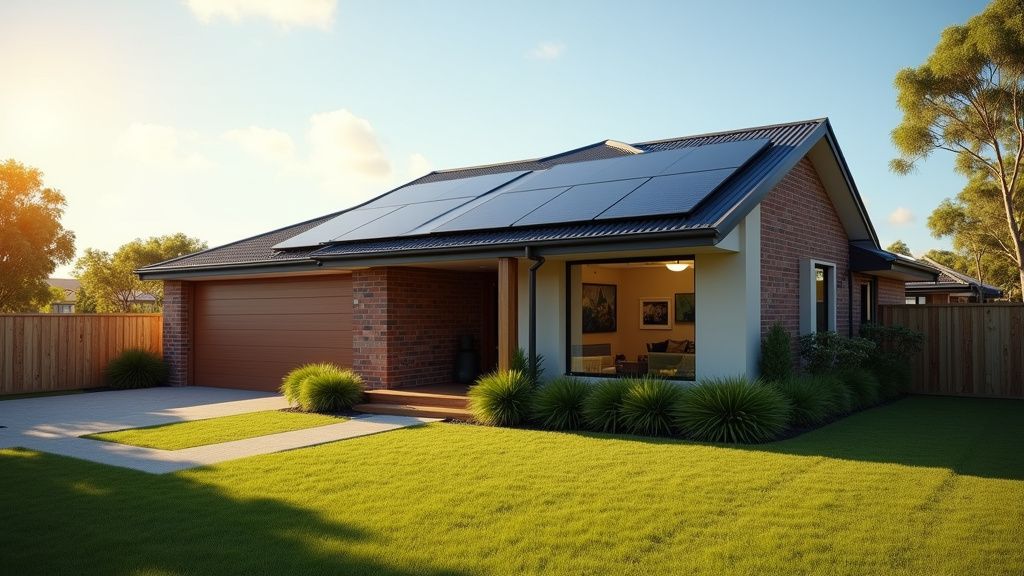
A 10kW solar system is generally comprised of 25 to 30 solar panels, each typically ranging from 330W to 400W. This translates to needing approximately 80 square metres of roof space. If your roof is limited, consider more efficient panels which utilise newer tech, although they come with a higher price tag.
These systems are capable of generating a substantial amount of electricity, making them ideal for properties consuming upwards of 40kWh per day. However, before committing to a 10kW system, it's important to consider your energy consumption habits and any limitations your network provider may have on system size. Some networks may require additional paperwork and inspections for systems larger than 5kW.
National Average and Capital City Breakdown
As of mid-2025, the average cost of a 10kW solar system in Australia is around $0.91 per watt, which equates to roughly $9,130 after factoring in the federal STC rebate. This figure serves as a good starting point, but prices fluctuate depending on your location. While I can't give the specific values, you need to know the average costs vary across major state capitals due to logistical factors and local market competition. Keeping an eye on these price trends is crucial.
Factors Influencing System Output
The actual energy production of a 10kW solar system varies based on several factors:

- Location: Sunlight hours differ significantly across Australia.
- Panel Orientation and Tilt: A north-facing roof with an optimal tilt angle will maximise energy generation.
- Weather Conditions: Cloud cover and seasonal variations impact daily output.
- Panel Quality and Efficiency: Higher-quality panels generally produce more energy.
- Shading: Obstructions like trees or buildings can reduce performance.
Maximising Your Solar Investment: Self-Consumption is Key
Solar feed-in tariffs (FiTs) are less lucrative than they used to be, meaning that you'll see the biggest savings when you consume the solar energy directly as it is generated. By using the energy yourself, you reduce your reliance on grid electricity, which is typically more expensive than the feed-in tariff you receive for exporting excess solar to the grid.
A good rule of thumb is to aim for a self-consumption rate of at least 30% of the solar energy your system produces. If you are a household with high energy use during the day, you could aim even higher. Excess energy will still be fed back into the grid, earning you credits on your electricity bill, but self-consumption is where the real savings lie.
Payback Times and Return on Investment
Payback periods for 10kW solar systems vary depending on factors such as system cost, energy production, electricity prices, and self-consumption rates. As a general guide, higher self-consumption leads to faster payback and a better return on investment.
To estimate your potential payback time and internal rate of return (IRR), consider your daily electricity usage, current retail electricity rates, and available solar feed-in tariffs. You can also find online solar payback calculators that allow you to input these variables for a more accurate estimate.
Is a 10kW System Right for You?
A 10kW solar system represents a significant investment, so it's essential to determine if it aligns with your energy needs and consumption patterns. If you consistently use a large amount of electricity during the day, a 10kW system could be an excellent choice. However, if your energy consumption is lower, a smaller system might be more appropriate.
It’s also important to check with your network provider about potential limitations on system size.
Getting Started
Investing in a 10kW solar system is a significant decision. To make an informed choice, it is important to get several quotes from reputable installers and seek professional advice on system design, panel selection, and optimal orientation for your roof. Consider your individual energy needs, budget, and long-term savings goals to determine the best solar solution for your home or business. Remember to factor in the benefits of self-consumption and explore available government incentives to maximise your return on investment.