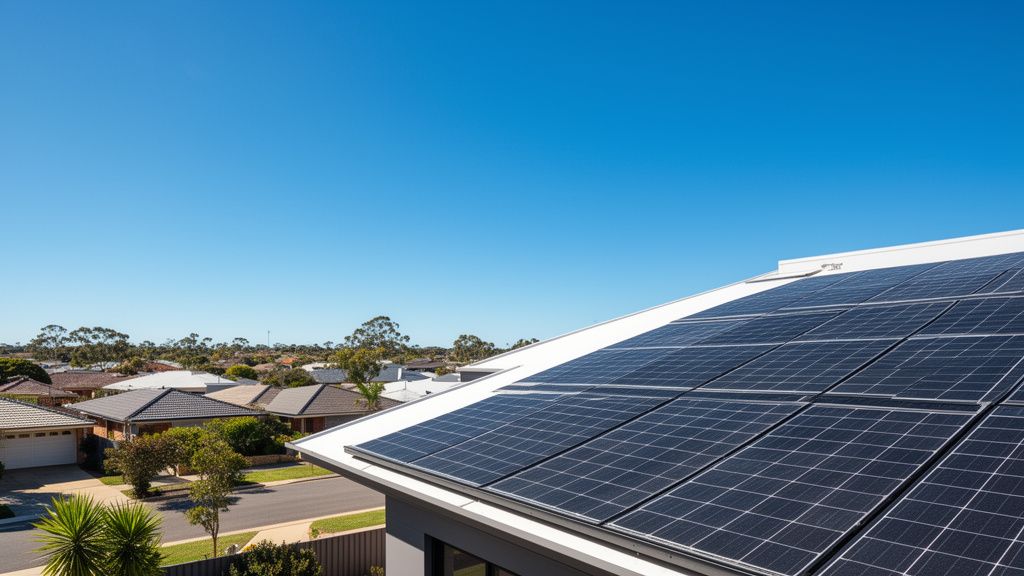
The Bright Future: Why Commercial Solar is a Must for Australian Businesses
Australian businesses are facing unprecedented challenges, not least of which are the skyrocketing energy costs. Power bills have become a significant drain on budgets, impacting profitability and future planning. But what if there was a way to not only slash these expenses but also enhance your brand, boost your sustainability credentials, and gain greater control over your operational costs? Enter commercial solar – a strategic investment that’s rapidly becoming essential for businesses across the country.
Why Go Solar? The Compelling Business Case
For any astute Australian business owner, the decision to invest in solar power is driven by a clear understanding of its multifaceted benefits. It's more than just an environmental choice; it's a sound financial one.
Slash Your Power Bills: This is often the primary motivator. By generating your own electricity, you dramatically reduce your reliance on grid power, directly translating into lower monthly power bills. With the volatility of wholesale energy prices, generating your own clean power offers a reliable hedge against future increases. Imagine predictable energy costs for decades to come.
Boost Your Bottom Line: Lower operating costs directly improve your cash flow and profitability. Over its lifespan, a commercial solar system can generate hundreds of thousands of dollars in savings, freeing up capital for other vital business investments, expansion, or even improved employee benefits.
Enhance Your Brand & Sustainability: Consumers and business partners alike are increasingly prioritising sustainability. Installing solar demonstrates a genuine commitment to environmental responsibility, improving your brand image and attracting eco-conscious customers. It’s also a powerful statement for corporate social responsibility (CSR) and helps meet growing demand for green supply chains.
Energy Independence & Security: Reduce your vulnerability to grid outages or supply disruptions. While most commercial systems remain grid-tied, generating a significant portion of your own power offers a degree of energy security and resilience. For businesses with high daytime energy consumption, this can be a game-changer.
Increase Property Value: A professionally installed commercial solar system is a valuable asset that can increase the market value of your business premises. It's a modern upgrade that signals efficiency and foresight to potential buyers or tenants.
Understanding Commercial Solar Systems
Commercial solar isn't a one-size-fits-all solution. It's a tailored energy strategy designed to meet the specific demands of your business.
Tailored Solutions: Unlike residential systems, commercial solar is custom-designed based on your business’s unique energy consumption patterns, roof space, structural integrity, and future growth plans. A detailed energy audit is the first step to determining the optimal system size and configuration.
Key Components: A typical commercial solar system consists of high-efficiency solar panels (the workhorses), inverters (which convert DC power from panels to AC power for your business), and a robust mounting structure. Battery storage options are also becoming increasingly popular for businesses seeking greater energy independence or to mitigate peak demand charges.
System Sizing: Commercial systems typically range from 30kW for smaller businesses to megawatt-scale installations for large industrial complexes. For example, a medium-sized manufacturing plant might install a 100kW system, while a large shopping centre could opt for a 500kW system or more.
Installation & Maintenance: Professional installation is paramount for safety, efficiency, and system longevity. Once installed, commercial solar systems require minimal maintenance, usually just periodic cleaning and checks to ensure optimal performance.
The Australian Advantage: Costs & Incentives


Investing in commercial solar is a significant decision, but in Australia, it comes with considerable financial advantages and support.
Investment, Not an Expense: While the upfront cost might seem substantial, it’s crucial to view commercial solar as a strategic capital investment with a strong return.
Typical Costs: The cost per watt for commercial solar systems varies based on system size, quality of components, and complexity of installation. Generally, businesses can expect to pay anywhere from $1.00 to $2.00 per watt for larger systems (e.g., a 100kW system could range from $100,000 to $200,000 before incentives). These figures can vary significantly, so getting a detailed quote is essential.
Payback Period: Due to high electricity prices and government incentives, most Australian businesses see a payback period of between 3 to 7 years. After this, the electricity generated is essentially free for the remaining 20-25+ year lifespan of the system.
Government Support: The Australian government offers various incentives to encourage renewable energy adoption. Small-scale Technology Certificates (STCs) are available for systems under 100kW, providing an upfront discount on installation costs. For larger systems, Large-scale Generation Certificates (LGCs) can generate ongoing income for every MWh of clean electricity produced. Additionally, various state-based programs and depreciation allowances can further improve the financial viability.
Financing Options: Businesses have several pathways to funding a solar installation. Outright purchase offers the maximum long-term savings. Leasing arrangements can reduce upfront costs. Power Purchase Agreements (PPAs) are also popular, allowing businesses to install solar with $0 upfront, paying a fixed, lower rate per kWh for the power generated by the system.
Choosing the Right Solar Partner
Selecting the right commercial solar provider is critical to the success and longevity of your investment.
CEC Accreditation: Ensure your chosen installer is Clean Energy Council (CEC) Accredited. This guarantees they meet high industry standards for safety, quality, and ethical conduct.
Commercial Experience: Look for a company with a proven track record in commercial solar installations. They should understand the complexities of business energy needs, system design for larger properties, and compliance requirements.
Warranties & Support: Demand robust warranties on panels, inverters, and the installation itself. A good provider will offer comprehensive support and monitoring post-installation.
Customised Design: Avoid companies offering generic packages. A reputable provider will conduct a thorough assessment and design a system specifically for your business.
Common Questions & Concerns
Is my roof suitable? Most commercial roofs are suitable for solar. A professional installer will conduct a structural assessment to ensure your roof can safely support the system.
What about cloudy days or weekends? Solar panels still generate electricity on cloudy days, albeit less. As most commercial systems are grid-tied, you'll seamlessly draw power from the grid when solar generation is low. For businesses operating during the week, excess power generated on weekends can often be exported back to the grid for a credit.
The upfront cost is too high. While the initial investment can be substantial, consider the long-term savings, quick payback period, and various financing options like PPAs that eliminate upfront costs.
Your Path to a Brighter, More Profitable Future
Commercial solar offers a powerful solution for Australian businesses looking to cut costs, enhance sustainability, and future-proof their operations. It’s a strategic decision that delivers tangible financial returns and strengthens your brand in an increasingly eco-conscious market.
Don’t let rising energy costs dictate your business's future. Take control of your power. Talk to a reputable commercial solar provider today to explore how a tailored solar solution can benefit your Australian business.


