TL;DR: CommBank has reported double-digit growth in its lending for home solar and battery systems, indicating a significant and accelerating trend among Australian households to adopt renewable energy. This growth highlights increased financial accessibility for these systems and a strong consumer desire for energy independence and reduced power bills.
What Does CommBank's Lending Growth Tell Us About Australian Solar Adoption?
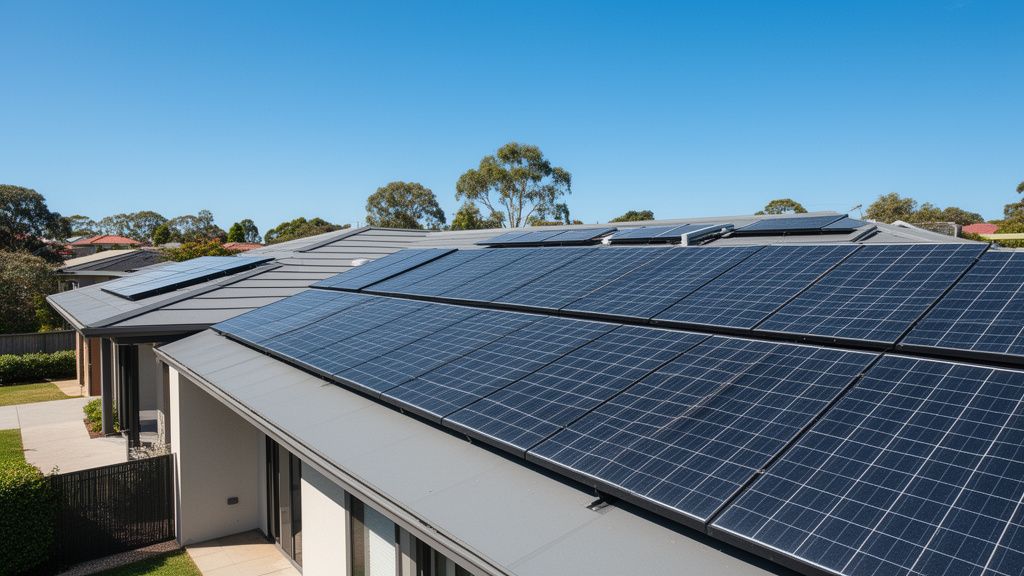
CommBank's recent announcement of double-digit growth in solar and battery lending for homes confirms a robust and accelerating uptake of renewable energy solutions by Australian households. This isn't just a minor blip; it reflects a broader market movement where more families are actively seeking to manage their energy consumption and costs. When a major financial institution sees such a strong shift in its lending portfolio towards a specific product category, it signals that the underlying demand is substantial and widespread, moving beyond early adopters into the mainstream. This financial commitment from homeowners demonstrates a clear understanding of solar and battery benefits, supported by accessible funding options. The bank's data validates what many in the solar industry observe on the ground: Australians are serious about cleaner, cheaper power.
The Numbers Behind the Trend
Double-digit growth in any lending category represents significant momentum. For solar and batteries, it means that thousands of Australian families are not just considering these systems, but are actively investing in them with financial support. CommBank's lending figures quantify a consumer confidence that has been building for years. This isn't just about a few well-off individuals; it shows a broader demographic accessing financing for systems that might cost anywhere from $6,000 for a basic 6.6kW solar system to $20,000+ for a comprehensive solar-plus-battery setup. The bank's confidence in this market, evidenced by product offerings like green loans, further drives this uptake, creating a virtuous cycle of demand and supply.
Beyond the Early Adopters
The scale of CommBank's growth suggests that solar and battery adoption has moved well past the initial phase dominated by environmentally conscious early adopters. We now see a practical, financially driven decision-making process taking hold across a wider cross-section of Australian society. Families are weighing the upfront cost against long-term savings and increased energy security, often finding the numbers stack up favourably, especially when attractive finance options are available. This shift indicates that the conversation around solar is no longer just about environmental stewardship, but about tangible economic benefits for the average Australian household.
Why Are More Australians Choosing Home Solar and Batteries Now?
Australian homeowners increasingly choose solar and batteries due to rising electricity costs, improvements in technology, and a desire for greater energy independence. Many households across the country have seen their quarterly power bills surge, making the prospect of generating their own electricity highly appealing. A standard Australian household using around 15-20 kWh per day can significantly reduce or even eliminate their grid electricity purchases by installing a suitable solar system, often 6.6kW or 10kW. Coupled with this, battery technology has become more affordable and efficient, allowing homes to store excess solar power for use at night or during peak times, further maximising savings and reducing reliance on the grid.
Battling High Electricity Bills
The rising cost of grid electricity is a primary motivator. Retailer prices for electricity in Sydney and Melbourne, for example, often sit between 25-35 cents per kilowatt-hour (c/kWh), with peak rates even higher. When a 6.6kW solar system can produce around 25-30 kWh on a good day, the savings quickly add up, easily offsetting hundreds of dollars from quarterly bills. While feed-in tariffs for exported solar power have fallen in many states to below 5-10 c/kWh, self-consumption is where the real value lies, and batteries enhance this self-sufficiency, ensuring less valuable power is sent back to the grid.
Energy Independence and Reliability
Beyond cost, energy independence plays a significant role. Australians have experienced more frequent power outages and grid instability, particularly in regional areas or during extreme weather events. A home battery system, especially when configured with a blackout backup feature, provides peace of mind, ensuring essential appliances like refrigerators and lights keep running even when the grid goes down. This level of self-reliance appeals strongly to those who want more control over their energy supply and are less willing to accept disruptions to their daily lives.
How Do Financing Options Like CommBank's Green Loan Simplify Solar Investment?
Financial products such as CommBank's Green Loan remove significant upfront cost barriers, making solar and battery systems accessible to a wider range of Australian households. Historically, the initial investment for a quality solar and battery system could be a deterrent, often ranging from $10,000 to $25,000 or more. Green loans, designed specifically for energy-efficient home improvements, typically offer lower interest rates than standard personal loans. This reduces the total cost of borrowing, making the investment more manageable and accelerating the financial payback period for homeowners. These tailored financing solutions democratise access to renewable energy, allowing more Australians to realise the long-term savings and environmental benefits.
Low-Interest Rates and Flexible Terms
CommBank's Green Loan, for instance, offers a lower interest rate, often a few percentage points below a standard personal loan rate. This difference can save homeowners thousands of dollars over the loan's life. Flexible repayment terms, sometimes extending up to 10 years, also mean lower monthly repayments, fitting more comfortably into household budgets. A lower monthly payment makes the transition to solar more achievable for a family budgeting tight finances, as the loan repayment can often be offset by the savings on their electricity bill. This structure encourages investment in systems that deliver long-term value.
Comparing Solar Financing Options
While green loans from major banks like CommBank offer a competitive option, homeowners also have other choices. Some solar installers provide point-of-sale finance, often through third-party lenders, which can be convenient but may carry higher interest rates. Home equity loans or refinancing mortgages are another path, typically offering the lowest interest rates due to being secured against the property, though they involve a more complex application process. Comparing these options is important, as the right finance choice significantly impacts the overall cost and payback period of a solar and battery system.
Key Takeaways
- CommBank's double-digit lending growth signifies a major, accelerating shift towards solar and battery adoption by Australian households.
- Rising electricity costs, enhanced technology, and a desire for energy independence are key drivers for this increased investment.
- Green loans and similar financing products from major banks make solar and battery systems financially accessible by reducing upfront costs and offering lower interest rates.
- Homeowners can significantly reduce electricity bills and gain energy security by investing in solar and batteries, especially when paired with smart financing.
- Comparing different finance options is crucial to ensure the most cost-effective path to installing a home solar and battery system.
Read More
For a comprehensive overview, check out our master guide: Read the Full Guide Here.