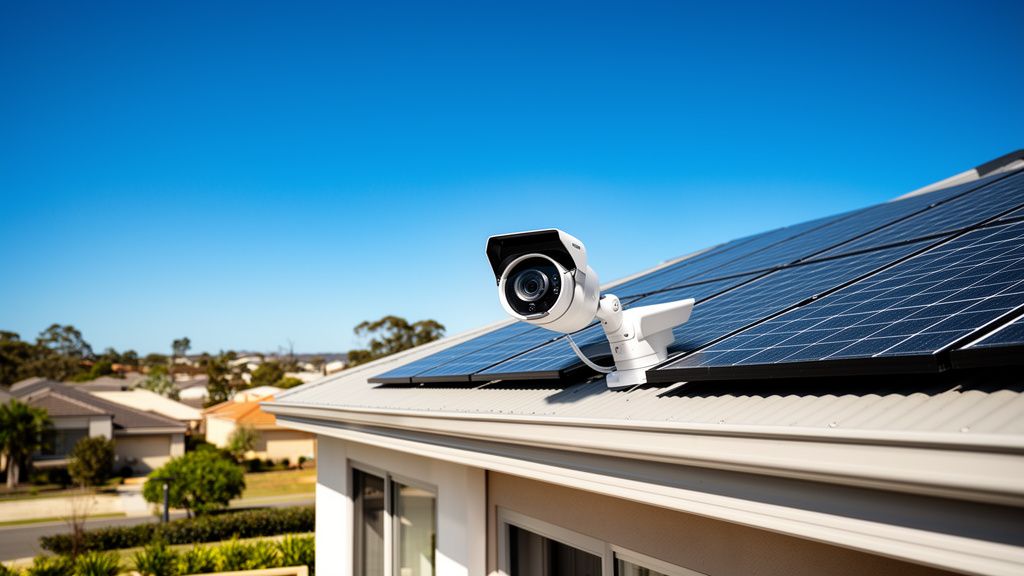
In our beautiful sun-drenched Australia, protecting our homes and loved ones is always a top priority. While the sunshine brings good vibes, it also brings opportunities for smart home solutions, especially when it comes to security. A robust security camera system offers invaluable peace of mind, acting as a watchful eye over your property whether you’re at work, on holiday, or just catching some Zs. What’s more, with our abundant sunshine, integrating solar power into your security setup is not only environmentally friendly but can also offer incredible flexibility and cost savings.
But with so many options on the market, how do you choose the right security camera system for your Aussie home? Let's break down the key considerations to help you make an informed decision.
Key Considerations When Choosing Your System
Wired vs. Wireless (and Solar-Powered Brilliance)
This is often the first big decision.
- Wired Systems: Offer reliable power and data transmission, often stored on a Network Video Recorder (NVR) or Digital Video Recorder (DVR). They're less susceptible to Wi-Fi interference and battery issues, but installation can be more complex, often requiring professional help to run cables, which can cost anywhere from $500 to $1500+ depending on the number of cameras and complexity.
- Wireless Systems: Provide much greater flexibility in placement and are generally easier to install yourself. They rely on Wi-Fi for data and batteries for power. This is where solar integration shines! Many popular wireless cameras, like those from Arlo, Ring, Eufy, and Reolink, offer optional small solar panels (typically costing $30-$80 each). These panels continuously charge your camera's battery, making it truly wire-free for power and significantly reducing maintenance. Imagine a camera protecting your remote gate or shed without needing an electrician or frequent battery changes – that's the power of Aussie solar! You can find a range of solar-powered security cameras suitable for various needs.
Resolution and Image Quality
When you need to identify a face or a vehicle, clarity is king.
- 1080p (Full HD): A good entry-level standard, offering clear enough images for general monitoring.
- 2K (Quad HD): Offers sharper detail than 1080p, making it easier to zoom in on specific areas without significant pixelation.
- 4K (Ultra HD): The top-tier for consumer cameras, providing exceptional detail. While it consumes more storage and bandwidth, 4K security camera systems are ideal for covering large areas or when maximum clarity is essential for evidence.
Field of View (FoV)
This refers to how wide an area your camera can see. A wider FoV (e.g., 120-180 degrees) means fewer cameras are needed to cover a large space, but can sometimes lead to a "fisheye" effect at the edges. Consider where you need to point the camera and how much area you want to monitor.
Night Vision Capabilities
Our nights can be pretty dark, so good night vision is crucial.
- Infrared (IR) Night Vision: The most common, providing clear black-and-white images in complete darkness using IR LEDs. The range varies, but most offer 10-20 metres.
- Colour Night Vision: Some advanced cameras use starlight sensors or built-in spotlights to capture full-colour video even in very low light. This can be incredibly valuable for identifying details like clothing or car colours.
Storage Options
How your footage is saved can impact privacy and ongoing costs.
- Local Storage: MicroSD cards within the camera or an NVR/DVR on-site. This offers maximum privacy and no ongoing fees. The downside is limited capacity (SD cards) or the risk of the NVR/DVR being stolen along with the footage.
- Cloud Storage: Footage is uploaded to secure servers online. This means you can access it anywhere, and your footage is safe even if the camera is tampered with. However, it almost always involves a monthly subscription fee, typically ranging from $5 to $15 per camera or per plan.
- Hybrid Systems: Many systems offer a combination, saving locally to an SD card while simultaneously uploading key events to the cloud. This gives you the best of both worlds.
Smart Features and AI Detection
Modern cameras are far more than just recording devices.


- Motion Detection: Essential for triggering recordings. Look for PIR (Passive Infrared) sensors for fewer false alarms from shadows, or even better, AI-powered person/vehicle detection. This vastly reduces notifications caused by a kangaroo hopping by or leaves blowing in the wind.
- Two-Way Audio: Allows you to speak through the camera to visitors or potential intruders, and hear their responses. Great for package deliveries.
- Activity Zones: Lets you define specific areas where you want motion alerts, ignoring less critical zones.
- Siren and Spotlight: Built-in deterrence features that can activate upon detection.
Weather Resistance (IP Rating)
Given our harsh Aussie climate, cameras, especially outdoors, need to withstand the elements. Look for an IP (Ingress Protection) rating.
- IP65: Dust tight and protected against low-pressure water jets from any direction.
- IP66: Dust tight and protected against powerful water jets.
- IP67: Dust tight and protected against temporary immersion in water. An IP65 or IP66 rating is generally sufficient for most outdoor Australian conditions.
Integration with Smart Home Systems
If you have a smart home, consider if the camera system integrates with platforms like Google Home, Amazon Alexa, or Apple HomeKit. This allows for voice control, viewing feeds on smart displays, and creating automated routines.
Budget
Security cameras range from under $50 for basic indoor models to over $500 for advanced outdoor systems with NVRs. A good quality, reliable wireless outdoor camera suitable for solar power might cost around $150-$350, plus the optional solar panel. Factor in potential installation costs if going wired, and ongoing cloud storage fees.
Popular Camera Types
- Dome Cameras: Discreet, often vandal-resistant, and good for indoor or under-eave placement.
- Bullet Cameras: Highly visible, act as a deterrent, and are easy to aim. Excellent for outdoor perimeter coverage.
- PTZ (Pan-Tilt-Zoom) Cameras: Can be remotely controlled to pan horizontally, tilt vertically, and zoom in. Great for covering large areas but often pricier.
- Doorbell Cameras: Integrate a camera, doorbell, and two-way audio into one unit, specifically designed for front door monitoring.
Embracing Solar Integration for Your Security
As an Aussie, you know the power of our sun. Leveraging solar for your security cameras is a game-changer. It not only aligns with sustainable living but significantly enhances the practicality of your system. Cameras powered by a small solar panel are truly independent – no messy wiring, no need for electricians, and virtually no ongoing power costs or battery anxiety. This makes them perfect for monitoring sheds, gates, remote sections of larger properties, or simply to reduce your household electricity bill. To find a versatile and sustainable solar camera for your Australian home, explore options online. It’s a smart, self-sufficient solution that’s tailor-made for our sunburnt country.
Installation and Legal Considerations
- Installation: Wireless, battery-powered (especially solar-charged) cameras are often designed for DIY installation. Wired systems, particularly NVR/DVR setups that require cabling through walls, are best left to professionals to ensure proper setup and safety.
- Legal and Privacy: This is paramount in Australia. Always ensure your cameras are only pointed at your property. Do not inadvertently record your neighbours' yards, windows, or public footpaths if avoidable. Inform visitors or display signage indicating camera use. Laws vary slightly by state, so it’s always wise to do a quick check on local regulations regarding surveillance in residential areas.
The Right Choice for Peace of Mind
Choosing the right security camera system for your Australian home is an investment in your safety and peace of mind. By carefully considering factors like wired vs. wireless (especially the brilliant solar options), resolution, night vision, storage, and smart features, you can tailor a system that perfectly meets your needs and budget. Protect your home, your assets, and your family with confidence, knowing you've made a smart choice for your Aussie lifestyle.
Read More
For a comprehensive overview, check out our master guide: Read the Full Guide Here. As an Amazon Associate I earn from qualifying purchases.


