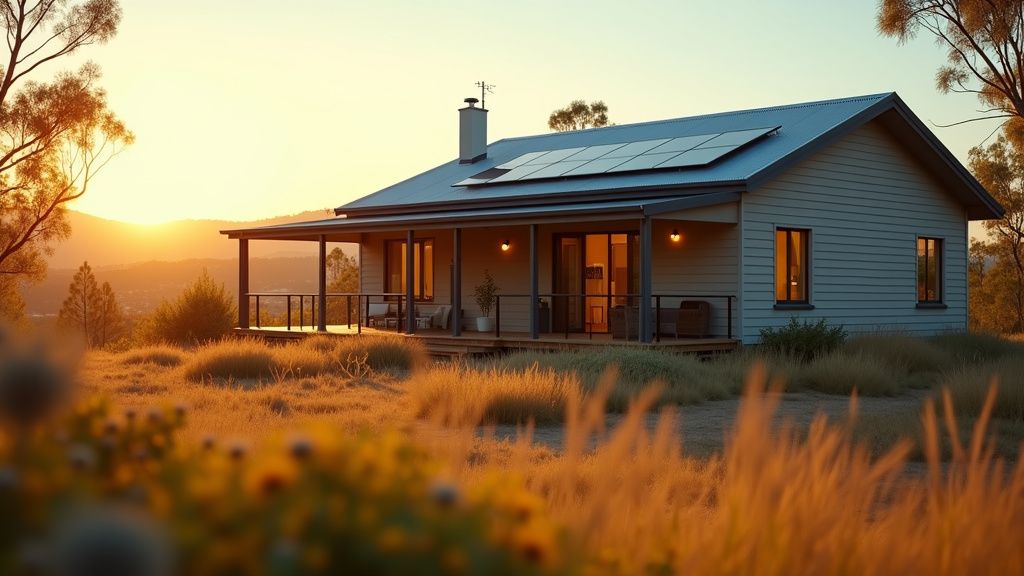
The crackle of a campfire, the endless starry sky, and the whisper of the bush – these are the hallmarks of a classic Aussie camping trip. But let's be honest, sometimes a little modern convenience goes a long way. Whether it's keeping your phone charged, running a portable fridge, or even brewing that essential morning coffee, reliable power can elevate your outdoor experience.
Gone are the days of noisy, fume-belching generators; portable power stations offer a silent, emissions-free alternative. Think of them as super-sized power banks, capable of charging everything from your smartphone to powering small appliances. If you're looking to upgrade your off-grid setup, you’ve come to the right place. For a deep dive into specific needs, check out our Complete Guide.
What Exactly is a Portable Power Station?
At its core, a portable power station is a self-contained battery system designed to store electrical energy and deliver it through various output ports. They’re much like a scaled-up version of the power bank you use for your phone, but with the added capability of powering devices that require a standard 240V AC output (like your home wall socket), alongside USB and 12V DC options. This makes them incredibly versatile for remote situations, like a long weekend in the High Country, or even as an emergency backup during a home blackout.
Key Considerations for Your Camping Power Needs
Choosing the right portable power station isn't a one-size-fits-all decision. It hinges on what you want to power and for how long. Here's what you need to consider:
1. Understanding Your Power Requirements: Watt-hours and Watts
This is the most critical step. Every device you plan to use has a wattage (W) rating – how much power it consumes at any given moment. You also need to think about how long you'll run it.
- Watt-hours (Wh): To calculate your total energy needs, list all the devices you intend to power, note their wattage, and estimate how many hours per day you'll run them. Multiply the watts by the hours to get the Watt-hours needed. For example, a 50W portable fridge running for 12 hours needs 600Wh (50W x 12h). Sum up all your devices' Wh needs to get a daily total, and then choose a power station with a slightly higher Wh capacity to give yourself some buffer.
- Peak vs. Continuous Power: Many appliances, especially those with motors (like a blender or an air compressor), draw a much higher "peak" wattage for a brief moment when they start up, before settling into a lower "continuous" wattage. Ensure your chosen power station can handle these peak loads, not just the continuous draw, to avoid tripping its overload protection.
2. Charging Your Station: Keeping the Juice Flowing
Once you've used your power, how do you recharge it in the great outdoors?

- AC Wall Socket: This is the fastest and most common way to charge your station before you leave home. Recharge times can vary significantly, from just over an hour for smaller units to five hours or more for larger capacities.
- Car Charging (12V DC): Many models include an input for your car's "cigarette lighter" socket, allowing you to top up while driving between campsites. You can also find converters if your unit doesn't have one built-in.
- Solar Panels: For true off-grid freedom, solar input is a game-changer. While slower than AC charging (often taking many hours for a full charge, even in bright sunshine), it's a sustainable way to replenish your power station while it simply sits out in the sun. Consider how many panels you'd need for your station's capacity to make solar charging efficient.
3. Battery Technology and Lifespan
The heart of your power station is its battery, and not all batteries are created equal.
- Discharge-Recharge Cycles: The lifespan of a portable power station is primarily measured in "cycles" – how many times it can be fully discharged and recharged before its capacity significantly degrades. Older battery technologies might offer around 500 cycles, but modern lithium-ion batteries often boast 2000-3500+ cycles, offering years of reliable use.
- Maintenance: Like any battery, consistent care extends its life. Regularly charging and using your power station, even when not camping, helps maintain its health.
4. Physical Durability and Warranty
Camping can be tough on gear, especially if you're venturing off the beaten track.
- Robust Build: Look for models designed to withstand bumps and knocks. While it’s hard to avoid every jolt on a corrugated road, a well-built unit will fare better.
- Warranty: A strong warranty (typically ranging from one to five years) is a good indicator of the manufacturer's confidence in their product's longevity and quality. Always be aware of your rights under Australian Consumer Law, which provides protection even beyond the stated warranty period if a product develops a major fault prematurely.
5. Portability and Price
Generally, more power means more weight and a higher price tag.
- Weight and Size: A larger battery capacity almost always means a heavier unit. Consider how you'll transport it and if its size fits comfortably in your vehicle.
- Cost: Portable power stations range from a couple of hundred dollars for basic models suitable for charging phones, up to several thousand for high-capacity units capable of running larger appliances for extended periods. Align your budget with your specific power needs.
What About End-of-Life?
When your portable power station finally reaches the end of its useful life, responsible disposal is important. While Australia has a battery recycling program called B-cycle, many power stations exceed the current 5kg limit for drop-off points. Your best bet is to contact the original retailer and inquire about their recommendations or take-back programs for proper recycling.
Power Up Your Next Adventure
Choosing the right portable power station means marrying your power needs with the station's capabilities, considering how you'll recharge it, and ensuring it's built to last in the rugged Australian environment. By carefully assessing these factors, you'll find the perfect companion to keep your essentials running, allowing you to focus on what truly matters: enjoying the serenity and beauty of our incredible outdoors. Happy camping!