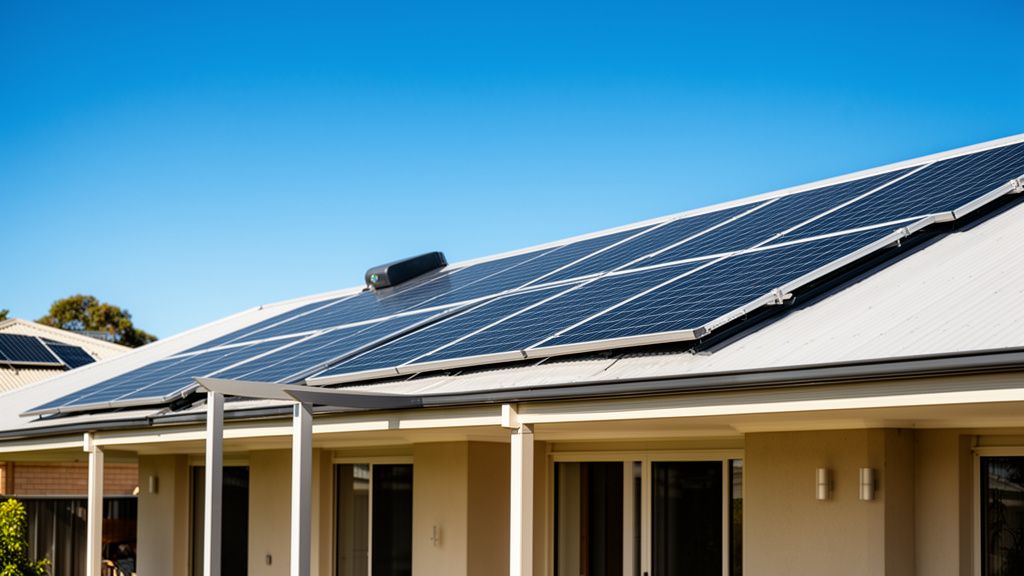
Australia, the sunburnt country, is a perfect place for solar power. Most of us imagine sleek panels nestled on rooftops, silently converting sunshine into electricity. But what if your roof isn't ideal? Perhaps it's too shady, too old, or has an awkward orientation. This is where ground-mounted solar, often using stanchions, comes into play, offering a flexible and highly efficient alternative right in your own Aussie backyard.
But is it truly viable for a typical suburban or rural property? Let's dig into the details of putting solar panels on stanchions and what it means for Australian homeowners.
Why Consider Stanchion-Mounted Solar?
Ground-mounted solar, particularly systems utilising stanchions (essentially strong poles or frames anchored into the ground), offers distinct advantages for many homeowners:
- Suboptimal Roof Conditions: Your roof might be heavily shaded by neighbours' trees, face the wrong direction (east/west can work, but north is usually king), or simply be too small. Heritage-listed homes or those with complex rooflines might also restrict roof panel installation. Stanchions free you from these constraints.
- Optimal Performance: A key benefit of ground mounts is the ability to position your panels precisely. You can orient them perfectly north (or the optimal direction for your specific energy needs) and set the ideal tilt angle for maximum year-round energy generation. This often results in higher overall output compared to a compromised roof installation.
- Easier Maintenance: Cleaning panels is crucial for efficiency, especially with our dusty climate. Panels at ground level are far safer and easier to access for regular cleaning and any necessary inspections or repairs, potentially extending their lifespan and maintaining peak performance.
- Future Expansion: If you start with a smaller system, adding more panels later is often simpler with a ground mount, provided you have the available space.
- Aesthetics: While some find ground mounts less aesthetically pleasing, others appreciate keeping their roofline clear or prefer a dedicated 'solar garden' approach.
What Are Stanchions and Ground Mounts?
When we talk about solar panels on stanchions, we're referring to a type of ground-mounting system. These are freestanding structures, typically made of sturdy galvanised steel or aluminium, that are anchored securely into the ground using concrete footings. They provide the framework to hold your solar panels at the desired angle and orientation.
These systems can range from single-pole mounts holding a few panels to larger, multi-pole racking systems supporting an entire array. The core idea is to create a robust, weather-resistant platform independent of your home's roof structure.
Key Considerations for Your Backyard
While appealing, backyard stanchion-mounted solar isn't without its challenges and crucial considerations for Australian homes:


- Space Requirements: Solar panels aren't small. A typical 6.6 kW system (around 18-20 panels) could require an area of approximately 30-40 square metres, possibly more depending on spacing. You need ample, unshaded backyard space that won't be used for other purposes.
- Sunlight Access is Paramount: Just like roof mounts, ground-mounted panels demand clear, uninterrupted sunlight from dawn till dusk, year-round. Trees, sheds, fences, or even your own house can cast shadows that drastically reduce efficiency. A professional solar installer will conduct a detailed site assessment.
- Council Regulations and Planning Permits: This is a big one in Australia. Most local councils will have specific rules regarding freestanding structures in residential zones. You might need to apply for a development application (DA), especially if the structure exceeds a certain height or covers a significant portion of your backyard. Factors like setback from boundaries, visual impact, and even landscaping requirements can come into play. Always check with your local council before committing.
- Engineering and Footings: Australian weather can be harsh, from scorching summers to powerful storms and even cyclones in northern regions. The stanchion system must be engineered to withstand local wind loads and the weight of the panels. Proper concrete footings are essential to prevent the structure from shifting, sinking, or being lifted by strong winds.
- Cabling and Trenching: The electricity generated by your panels needs to travel to an inverter (usually near your meter box or inside your garage). This means running conduits and cables, often requiring trenching across your backyard. This adds to the cost and complexity, and needs to be done safely and to Australian electrical standards.
- Cost Implications: Ground-mounted systems are generally more expensive than roof-mounted ones. You're paying not just for the panels and inverter, but also for the robust stanchion structure, engineering, council approvals, concrete footings, trenching, and potentially more complex installation labour. While a standard 6.6kW roof system might cost between $3,500 - $8,000 after STC rebates, a comparable ground-mounted system could add an extra $2,000 - $5,000+, pushing the total into the $5,500 - $13,000+ range, depending on complexity and location.
- Aesthetics and Lifestyle: Consider how the structure will impact the visual appeal of your backyard and your use of the space. Will it block views? Will it interfere with gardening, kids' play areas, or entertaining?
The Installation Process
If you decide to go ahead, the process typically involves:
- Site Assessment & Design: A solar professional will evaluate your backyard's sun exposure, space, and local regulations.
- Engineering & Council Approval: Structural designs will be prepared, and any necessary council permits applied for.
- Ground Preparation: This involves excavating for the footings and preparing the site.
- Stanchion Installation: The poles or frames are securely anchored into the ground.
- Panel Mounting: The solar panels are attached to the stanchion structure.
- Electrical Wiring & Trenching: Cables are run from the panels, through trenches, to the inverter and then to your home's switchboard.
- Commissioning: The system is connected, tested, and activated.
Is It Right For Your Australian Home?
Mounting solar panels on stanchions in your backyard is absolutely an option for many Australians, particularly those with:
- Challenging roof conditions (shade, old age, heritage restrictions).
- Ample, unshaded backyard space.
- A desire for optimal solar performance and easier maintenance.
- A willingness to invest a bit more for these benefits.
It's a fantastic way to harness the abundant Australian sun when your roof isn't playing ball. However, the extra costs, council hurdles, and space requirements mean it's not a decision to be taken lightly.
Before you jump in, get multiple quotes from experienced Australian solar installers. They can assess your specific property, advise on council regulations, and provide a detailed breakdown of costs and expected performance, helping you decide if ground-mounted solar is the bright solution for your home.