Australia, with its vast landscapes and iconic outback, is synonymous with 4x4 adventures. Whether you're planning a quick weekend escape or an extended off-grid tour, reliable power is non-negotiable, especially for keeping the beer cold and the tucker fresh. For many tourers, the answer to constant power lies in solar panels. But here’s the million-dollar question that often sparks heated debates around the campfire: should you commit to a fixed solar panel on your roof rack, or embrace the flexibility of a portable Solar Blanket?
At 'SolarInsights', we're here to tell you that for many Australian adventurers, permanently mounting a solar panel on your vehicle’s roof might actually be an inefficient use of valuable space and power potential. Let’s dive into why.
The Appeal of Fixed Panels – And Their Hidden Pitfalls
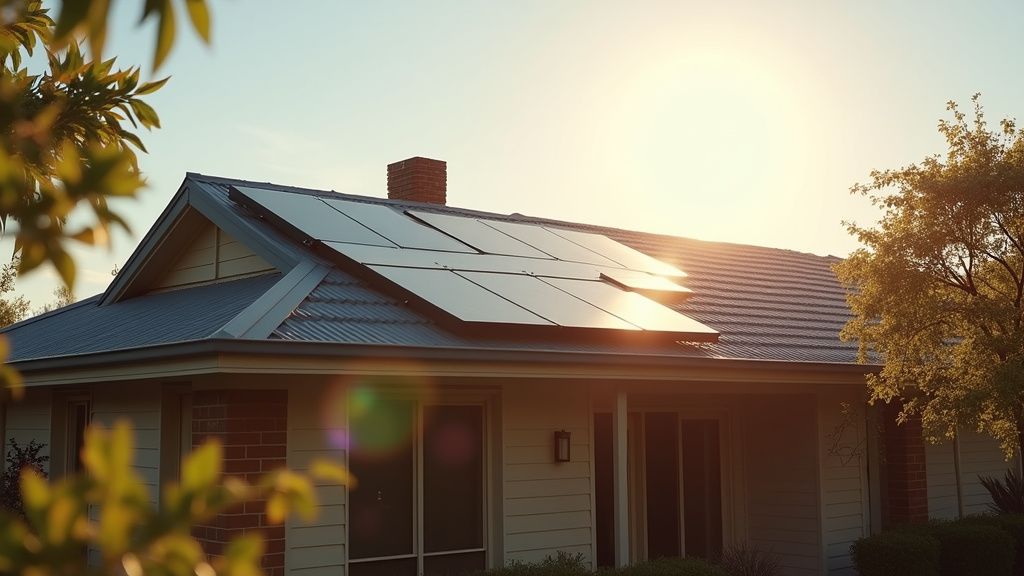
There's a certain allure to the 'set and forget' nature of a fixed solar panel. Bolted securely to your roof rack, it’s always there, ostensibly soaking up rays whenever the sun shines. For some, this convenience is paramount. You don't have to worry about setting it up or packing it away; it's simply part of your rig.
However, this convenience comes with significant trade-offs that often go unconsidered until you're deep in the bush.
- Orientation Limitation: A fixed panel points in one direction – wherever your vehicle is pointing. Unless you're constantly repositioning your 4x4 throughout the day, your panel will rarely be optimally angled towards the sun. Solar panels perform best when directly facing the sun's rays, and a fixed position inherently limits this efficiency.
- The Shade Dilemma: We Aussies love parking in the shade, especially after a long drive. Pulling up under a magnificent gum tree offers respite from the harsh sun for you and your vehicle. But for a fixed solar panel, shade means zero power generation. This is a critical point: if your vehicle is parked under cover, your panel is redundant. You're sacrificing comfort (shade) for a fixed power source that isn’t producing.
- Roof Space Premium: Your roof rack is precious real estate. It's where swags, recovery gear, firewood, and other bulky items often live. Dedicating a significant portion of it to a fixed solar panel can limit your capacity for other essentials, or force you into a larger, heavier roof rack setup than you truly need.
- Aerodynamics and Durability: A fixed panel adds drag, potentially increasing fuel consumption, and is constantly exposed to the elements – low-hanging branches, hail, and road debris. While designed to be robust, they are susceptible to damage in rugged conditions.
The Unbeatable Versatility of Solar Blankets and Foldable Panels
This is where the 'wasting your roof space' argument truly comes into play. Portable solar blankets and foldable panels offer a dynamic solution that often outperforms their fixed counterparts in real-world touring scenarios.

- Optimal Sun-Seeking: The greatest advantage of a portable panel is its flexibility. You can place it anywhere – on the ground, draped over your bonnet, or even on a picnic table – and angle it perfectly towards the sun. As the sun moves, you can easily adjust its position to maximise power output throughout the day. This alone can lead to significantly higher energy capture compared to a static roof-mounted panel.
- Embrace the Shade: Imagine pulling into a beautiful campsite, shaded by a canopy of trees. With a Solar Blanket, you simply unfurl it in a sunny patch a few metres away from your vehicle. Your 4x4 stays cool in the shade, your fridge keeps humming, and your batteries are topping up – a win-win scenario that’s impossible with a fixed setup.
- Space Efficiency: When not in use, a Solar Blanket folds down compactly and can be stored inside your vehicle, canopy, or even under a seat. This frees up your roof rack entirely for other essential gear, reducing drag and making your setup more adaptable.
- Multi-Purpose Use: A portable panel isn’t just for your 4x4. It can be used to charge gear around camp, power a separate setup, or even assist mates if their power system is struggling.
Do You Even Need Solar? The Honest Question
Before you even consider blanket vs. fixed, it's worth asking if you truly need solar at all for your specific setup. Many weekend warriors or those undertaking shorter trips might find their existing battery system more than sufficient.
Consider this: A well-maintained secondary battery (e.g., a 100Ah deep cycle) can comfortably power a modern car fridge for at least two to three days without any additional charge. If you’re typically driving your vehicle every couple of days for day trips or moving between campsites, your alternator will likely replenish your battery significantly.
Some adventurers complete multi-week road trips across Australia without a single solar panel, relying solely on their robust battery systems and the regular charging provided by driving. If you’re only doing occasional day missions or weekend trips, and your primary power consumer is just a fridge, a high-quality battery setup might be all the investment you need. Only when you're planning extended stays off-grid with minimal driving, or running multiple power-hungry appliances, does solar become a genuine necessity rather than a luxury.
Making the Right Choice for Your Adventure
So, which is right for you?
- For the "Set and Forget" Enthusiast Who Always Parks in the Sun (and doesn’t mind limited roof space): A fixed panel might suit, but be aware of its inherent inefficiencies.
- For the Smart Tourer Who Values Efficiency, Shade, and Flexible Space: A Solar Blanket or foldable panel is almost always the superior choice. You gain the ability to optimise power generation, keep your vehicle cool, and free up valuable roof real estate.
- For the Weekend Warrior with Regular Driving: A strong auxiliary battery might be all you need, questioning the necessity of solar altogether.
Ultimately, the best solar solution for your Australian 4x4 adventures comes down to your individual travel habits, power demands, and how you prefer to set up camp. But by understanding the significant advantages of portable solar and honestly assessing your actual power needs, you might just find that committing to a fixed panel means you're literally wasting your roof space and missing out on smarter, more efficient ways to power your journey.
Think smart, tour often, and keep those fridges cold!