TL;DR: Choosing an electricity provider based solely on price often overlooks the significant long-term value of good customer service. Reliable support, clear communication, and quick problem resolution prevent billing errors, minimise stress, and ensure your solar system optimises its output and earnings, ultimately saving you money and hassle.
Why Does Good Customer Service Matter More Than Just a Low Price?
Good customer service for an electricity provider is not a luxury; it directly impacts your household budget and peace of mind, especially with solar. A provider might offer a slightly lower feed-in tariff or a few cents less per kilowatt-hour, but these small savings vanish quickly if you spend hours on the phone chasing billing errors, disputing incorrect meter readings, or trying to understand confusing plan changes. The true cost of an electricity plan extends beyond the advertised rates; it includes the time and frustration of dealing with a unresponsive or unhelpful retailer. For example, if a billing issue costs you two hours of your time at your average hourly wage, that lost income might outweigh any perceived savings from a rock-bottom rate. Furthermore, providers with excellent support often offer better advice on optimising your solar usage, helping you maximise self-consumption and understand market shifts in feed-in tariffs.
Avoiding Hidden Costs from Poor Service
Choosing a provider known for poor customer service creates numerous hidden costs. Imagine a scenario where your new smart meter for solar is installed incorrectly, leading to no feed-in tariff credits for a month. If your retailer takes weeks to investigate and rectify the issue, you lose out on hundreds of dollars in solar credits. In 2024, many Victorian solar households export an average of 10-15 kWh per day. At a conservative 5c/kWh, that's 50-75 cents a day, or $15-$22.50 a month lost. Extended over several months, this adds up quickly. Then there is the administrative burden: repeated phone calls, emails, and the stress of dealing with an unresolved problem. This emotional toll, while harder to quantify, contributes significantly to your overall experience and perception of value.
Protecting Your Solar Investment
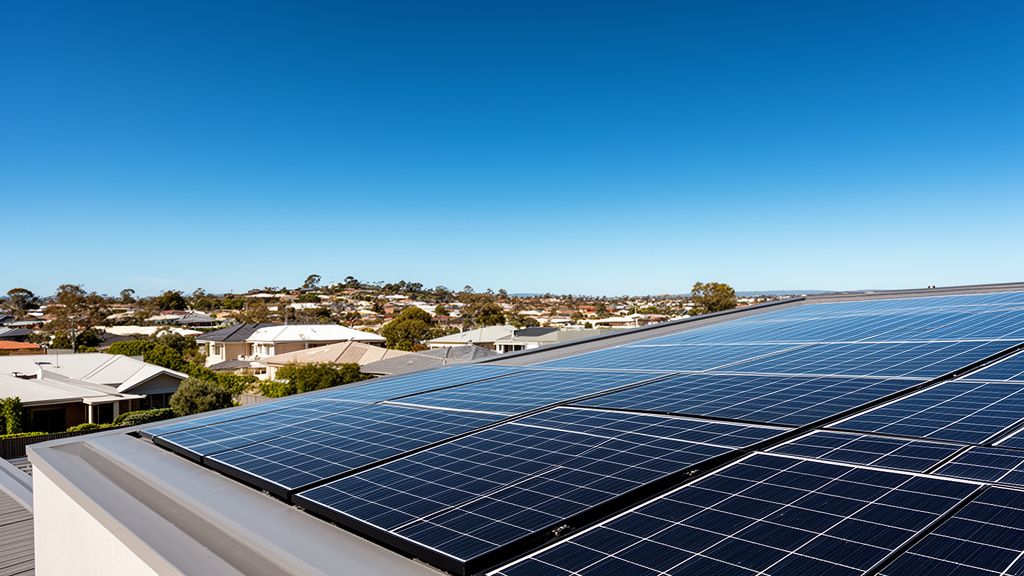
Your solar system is a substantial investment, often costing $5,000 to $10,000 for a typical 6.6kW installation. To maximise its return, you need an electricity provider that understands solar and supports its integration. This includes accurately applying feed-in tariffs, ensuring correct meter configurations, and promptly resolving any network or billing discrepancies related to your generation. A provider that fails in these areas jeopardises your solar's financial performance. For example, if your retailer doesn't properly credit your feed-in tariff for just two months, you might lose $50-$100 or more, eroding any marginal savings you thought you gained from a cheap plan. They should also provide clear statements showing your solar exports and imports, allowing you to track your system's performance and ensure you are being fairly compensated.
What Does Excellent Customer Service Look Like for Solar Homes?
Excellent customer service for solar homes means more than just a polite voice on the phone; it requires specialised knowledge, clear communication, and efficient problem-solving tailored to solar-specific issues. A top-tier provider employs staff who understand how feed-in tariffs work, the nuances of different smart meters, and the common challenges solar households face, like export limits or billing discrepancies related to solar credits. They make it easy to reach a real person who can provide informed answers, not just read from a script. This level of support prevents common frustrations, such as having to explain what a feed-in tariff is to a call centre agent, or dealing with long hold times only to be redirected multiple times.
Specialised Solar Knowledge and Support
A great provider trains its staff specifically on solar energy issues. This means when you call about a discrepancy in your feed-in tariff, the representative understands the difference between net and gross metering, knows how to check your solar export data, and can competently investigate why your solar credits might be missing or incorrect. They should offer advice on optimising your plan for your specific solar setup, whether you have a small 3kW system in Perth or a large 10kW system with a battery in Brisbane. This knowledge translates into quicker resolutions and accurate information. You should expect them to be proactive in informing you about changes to solar regulations or tariff structures that might impact your setup, rather than you having to discover these changes yourself.
Clear and Timely Communication
Effective communication is a cornerstone of good customer service. This means receiving timely notifications about planned outages, changes to your plan's rates or terms, and clear explanations for any billing adjustments. For solar customers, it also means transparent statements that clearly separate grid consumption from solar exports and detail the feed-in tariff applied. If there's an issue, they should provide regular updates on its progress, setting realistic expectations for resolution times. Avoid providers who leave you in the dark, forcing you to chase them for updates. A provider that communicates proactively about your solar production and billing status builds trust and reduces anxiety, confirming they value your business beyond just taking your money.
How Can You Research an Electricity Provider's Customer Service?
You can research an electricity provider's customer service effectiveness before committing to a contract by leveraging various public resources and direct interaction. Don't rely solely on glossy marketing material. Look for real-world experiences from existing customers. This involves checking independent review platforms, consumer advocacy websites, and even directly contacting the provider with specific solar-related questions. A little upfront research can save you significant headaches down the track, especially given the complexities of solar billing and grid interaction. It is much easier to switch providers for a better deal when you know you are making an informed decision about the service quality, not just the price point.
Checking Online Reviews and Consumer Reports
Reliable online review platforms like Product Review Australia offer a good starting point for assessing customer service. Look for patterns in feedback: do many people complain about long wait times, incorrect billing, or difficulty resolving issues? Pay close attention to comments specifically mentioning solar experiences, as these directly relate to your situation. Government-backed energy ombudsman reports, specific to your state (e.g., Energy & Water Ombudsman Victoria, EWON in NSW), also publish statistics on customer complaints against retailers. While these reports don't name specific customers, they indicate which providers generate the most complaints and which resolve issues effectively. Check for consistent themes such as unclear communication or a lack of follow-through.
Testing Their Responsiveness and Knowledge Directly
Before signing up, call the provider's customer service line yourself. Ask specific questions about their solar plans, feed-in tariffs, and how they handle common issues like a new solar meter installation or a disputed bill. For example, ask "What happens if my solar export is not credited correctly on my first bill?" or "How quickly can you arrange a smart meter upgrade for solar if I don't have one?" Pay attention to how long you wait on hold, the clarity and accuracy of the information provided, and the general helpfulness of the representative. If you experience long delays, unhelpful answers, or feel like they are guessing, consider that a red flag. A quick, knowledgeable response to a hypothetical problem suggests they will handle a real problem just as well.
Key Takeaways
- Prioritise electricity providers with proven customer service over those offering only the lowest price; hidden costs from poor service often outweigh small savings.
- Ensure your chosen provider has staff knowledgeable in solar-specific issues like feed-in tariffs, smart meters, and export limits.
- Look for clear and timely communication regarding billing, plan changes, and issue resolution, especially for solar credit statements.
- Use independent online reviews, ombudsman reports, and direct contact with the provider to assess their customer service quality before committing.
- Understand that effective customer support directly protects your solar investment and prevents frustrating billing or operational problems.
Read More
For a comprehensive overview, check out our master guide: Read the Full Guide Here.