TL;DR: Australia's pathway to a net-zero energy system relies on low-cost renewable energy, primarily solar and wind, supported by advanced battery storage. This transition promises cheaper, more stable electricity for consumers and businesses nationwide. It requires significant investment in transmission infrastructure to connect new generation to demand centres.
What drives Australia's least-cost pathway to net-zero energy?
Australia's cheapest path to net-zero energy relies on the rapid deployment of solar and wind power, supported by battery storage and an upgraded grid. The cost of generating electricity from new solar and wind farms has fallen dramatically over the last decade, making them the most economical options for new power generation in Australia. This economic advantage positions renewables as the foundation of a future energy system that delivers reliable, affordable power without carbon emissions. States like South Australia already source a significant portion of their energy from wind and solar, demonstrating the operational reality of this transition. Our abundant sunshine and strong winds across vast areas offer natural competitive advantages.
The Power of Solar and Wind Generation
Solar photovoltaic (PV) and wind turbine technologies have matured, with manufacturing efficiencies and scale driving down equipment costs. These technologies provide clean electricity without the ongoing fuel costs associated with coal or gas. Once built, a solar farm or wind farm produces power with minimal operational expenditure, primarily maintenance. This fixed cost structure protects consumers from volatile international fossil fuel markets, which historically impact electricity bills. New large-scale solar and wind projects consistently offer power purchase agreements at prices significantly below those of traditional generators.
Essential Role of Energy Storage
While solar and wind are intermittent, modern battery storage systems provide the firming capacity needed to ensure a stable supply. Large-scale grid batteries, such as the Victoria Big Battery or the Hornsdale Power Reserve in South Australia, can inject power into the grid within milliseconds, stabilising frequency and voltage. These batteries store excess renewable energy when production is high and release it during peak demand or when renewable generation dips. This capability makes a 100% renewable grid viable, supporting reliability at a lower overall system cost than building new fossil fuel plants.
How do renewables lower electricity costs for Australian homes and businesses?
Renewables cut electricity costs by providing cheaper wholesale power, reducing reliance on expensive fossil fuels, and insulating consumers from global price shocks. When large volumes of low-cost solar and wind power enter the grid, they displace more expensive generators, pushing down the wholesale price of electricity. This effect directly benefits consumers through lower retail tariffs, as wholesale costs make up a significant portion of a household or business electricity bill. The long-term stability of renewable energy generation costs offers a hedge against the unpredictability of global energy markets.
Wholesale Market Impact and Consumer Savings
The influx of renewable energy, particularly during the day from solar and overnight from wind, often drives wholesale electricity prices to very low levels, sometimes even negative. This occurs when supply outstrips demand, indicating an abundance of cheap generation. While negative prices don't directly translate to consumers being paid for electricity, they reduce the average cost of power retailers acquire from the National Electricity Market (NEM). Over time, these lower average wholesale costs should flow through to residential and business customers, resulting in more affordable electricity plans. It offers a tangible economic benefit to all users connected to the grid.
Mitigating Volatility and Energy Independence
Australia's historical reliance on fossil fuels meant our electricity prices were susceptible to fluctuations in global coal and gas prices. Developing a domestic renewable energy system significantly reduces this exposure. Locally generated solar and wind power eliminates the need to import fuel or be affected by international supply chain disruptions. This creates greater energy independence and price stability for Australian consumers. The predictable operating costs of renewables allow for better long-term planning for households, businesses, and government energy policy.


What infrastructure upgrades are crucial for an efficient net-zero grid?
Significant investments in new transmission lines, smart grid technologies, and distributed energy resources are crucial to integrate vast amounts of renewable energy safely and efficiently. Our existing transmission network, designed for a centralised fossil-fuel power system, needs substantial expansion and modernisation to connect large-scale solar and wind farms, often located far from major cities. These upgrades ensure power can move reliably from where it is generated to where it is consumed, maximising the benefit of low-cost renewables.
Expanding and Modernising Transmission Networks
New high-voltage transmission lines form the backbone of a renewable energy superpower. Projects like Project EnergyConnect between South Australia and New South Wales, and new lines connecting Renewable Energy Zones (REZs) in various states, are essential. These REZs are regions with excellent renewable resources, where multiple solar and wind farms can be clustered and connected efficiently to the grid. Without adequate transmission, new renewable generation cannot reach consumers, leading to curtailment where clean energy is generated but cannot be used. This infrastructure investment is a key enabler for the least-cost energy future.
Integrating Distributed Energy Resources (DERs)
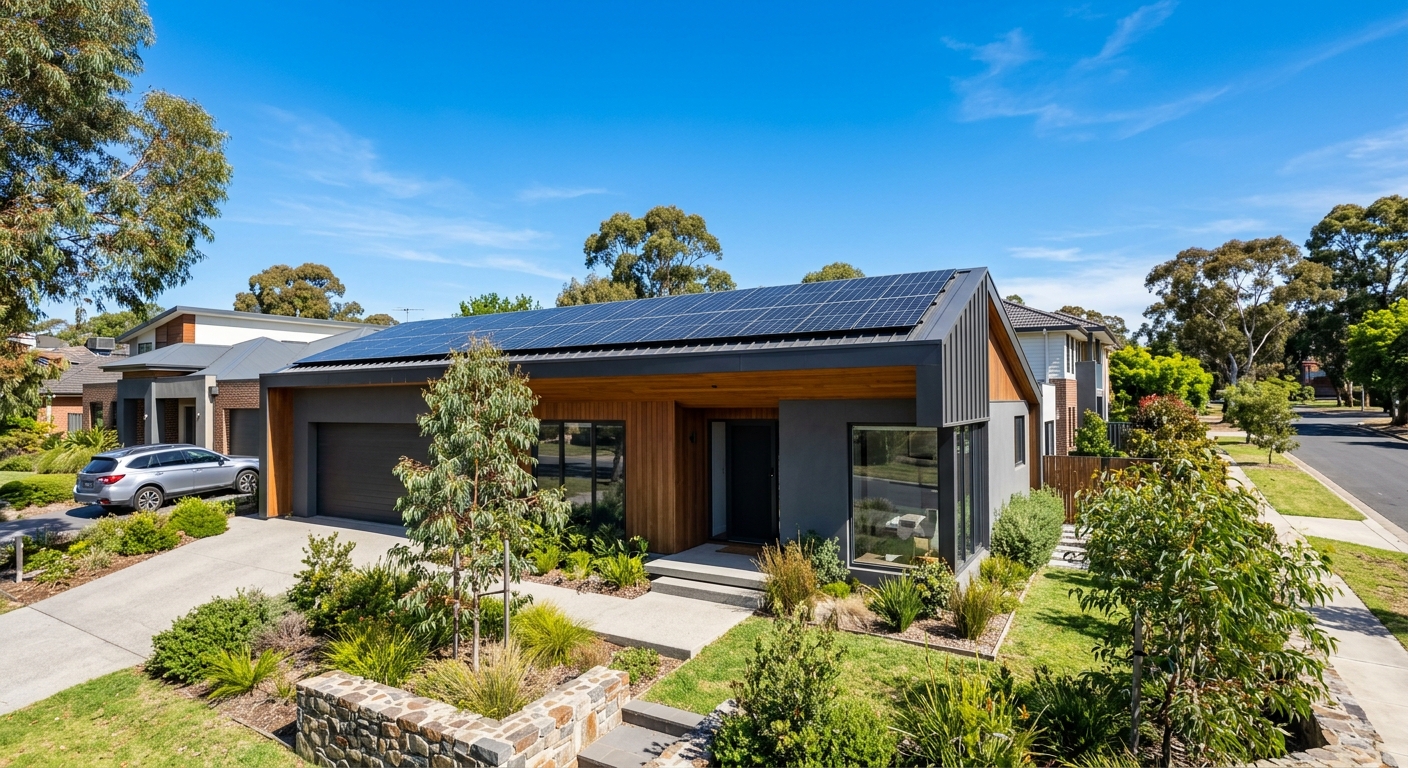
Beyond large-scale projects, the integration of Distributed Energy Resources (DERs) like rooftop solar, home batteries, and electric vehicles plays a vital role. Modernising the grid to intelligently manage these assets, often through Virtual Power Plants (VPPs), allows individual households and businesses to contribute to grid stability. VPPs aggregate the capacity of many smaller systems, enabling them to act as a single, larger power plant. This distributed approach enhances grid resilience, reduces the need for expensive centralised infrastructure in some areas, and empowers consumers to be active participants in the energy market.
Key Takeaways
- Australia's path to net-zero energy is most cost-effective through widespread solar and wind deployment, backed by battery storage.
- Renewable energy lowers wholesale electricity prices, offering cheaper, more stable power for homes and businesses.
- Significant investment in new transmission lines and smart grid technologies is essential to connect and manage renewable generation efficiently.
- Integrating rooftop solar and home batteries (DERs) into the grid enhances resilience and provides additional capacity.
- Adopting renewable energy reduces Australia's exposure to volatile international fossil fuel markets, increasing energy independence.