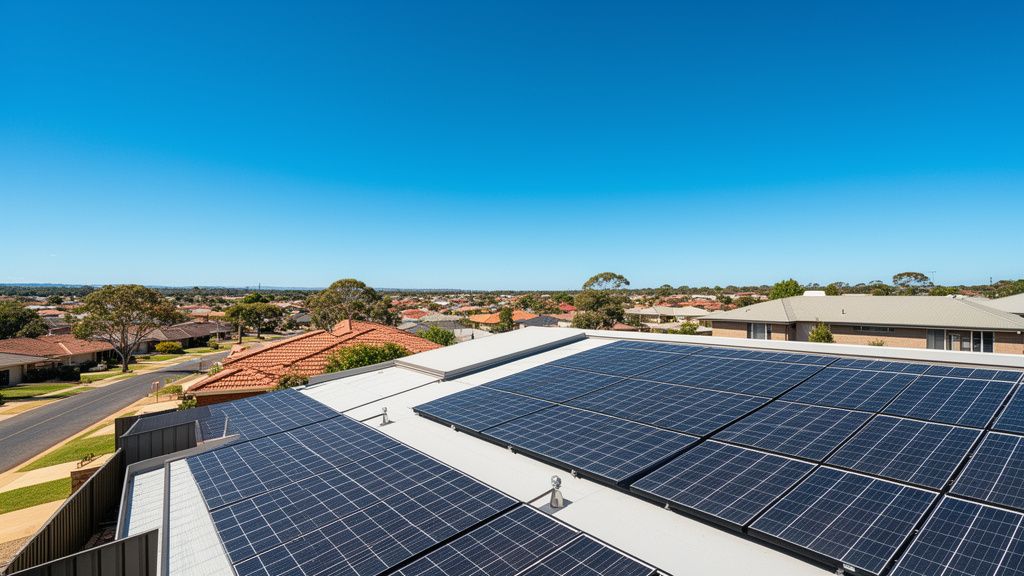
TL;DR: Australia is building large-scale renewable energy projects and connecting infrastructure directly to industrial users, creating a "green pipeline" to decarbonise heavy industry. These initiatives aim to provide cheaper, cleaner power for mining, manufacturing, and green hydrogen production, reducing emissions and strengthening Australia's competitive edge in a global low-carbon economy.
What Is Australia's Green Pipeline for Industry?
Australia's "Green Pipeline" describes the strategic development of massive renewable energy projects and the dedicated transmission infrastructure connecting them directly to industrial operations. This initiative aims to supply the significant power demands of sectors like mining, mineral processing, and manufacturing with clean, low-cost electricity, rather than relying on grid-supplied power that often contains a mix of fossil fuels. Historically, large industrial sites sourced power from a centralised grid or their own fossil fuel generators, incurring high electricity costs and substantial carbon emissions. The green pipeline model bypasses much of this, creating bespoke energy solutions tailored for industrial scale. For example, some projects involve gigawatts of solar and wind generation linked via new high-voltage lines directly to industrial hubs in regional Queensland or Western Australia, where energy demand is intense. This approach ensures a reliable, dedicated supply of renewable power, which becomes increasingly attractive as carbon prices rise and global markets demand greener supply chains.
Direct Renewable Power for Heavy Industry
The concept prioritises energy security and price stability for heavy industry. By integrating large-scale solar and wind farms with high-capacity battery storage, these projects offer a consistent supply profile that matches industrial load patterns, often around the clock. Companies operating in these sectors often face electricity bills running into millions of dollars annually. Replacing a significant portion of this with power from dedicated renewable assets can reduce operational costs substantially. A dedicated green pipeline also lessens the strain on the existing main electricity grid, which often needs costly upgrades to handle new large-scale renewable inputs. Direct connections offer a more efficient way to deliver large quantities of power from remote, resource-rich areas to industrial centres. This model supports the establishment of new green industries, such as hydrogen production or green steel manufacturing, which need abundant, cheap renewable power to be commercially viable.
Which Major Projects Are Fueling This Industrial Shift?
Several substantial projects across Australia are directly contributing to this industrial green pipeline, with a focus on delivering unprecedented scale and reliability. In the Pilbara region of Western Australia, for example, the Asian Renewable Energy Hub (AREH) represents one of the world's largest proposed clean energy precincts. It aims to develop up to 26 GW of wind and solar capacity, primarily for producing green hydrogen and ammonia, and also for supplying major industrial players in the region, including mining operations. While some early approvals were scaled back, its ambition remains significant. Similarly, in Queensland, projects are emerging around Gladstone, targeting the industrial port and its intensive energy users. The Central Queensland Hydrogen Project, for instance, plans to use solar and wind power to produce green hydrogen and ammonia for export and local industrial use, leveraging existing infrastructure and industrial expertise.
Case Study: Sun Cable's Australia-Asia PowerLink
Sun Cable's Australia-Asia PowerLink (AA-P) offers another clear example of the green pipeline concept, albeit with an export focus. This ambitious project plans to generate up to 20 GW of solar power and store between 36-42 GWh in the Northern Territory. While its primary goal involves exporting electricity to Singapore via a 4,200 km undersea cable, a significant portion of its output will supply power to Darwin and the wider Northern Territory market. This will provide large industrial users in the top end with reliable, low-cost renewable electricity, replacing existing gas-fired generation. The sheer scale of AA-P showcases the potential for Australia's vast solar resources to power not just local industry, but also to establish Australia as a major renewable energy exporter. The project has faced recent corporate restructuring but demonstrates the significant capital and long-term vision required for such infrastructure.
How Do These Projects Benefit Australian Industry?
These large-scale renewable projects offer Australian industry tangible benefits, primarily through significantly lower and more stable energy costs, alongside a strong pathway to decarbonisation. Industrial operations are often price-sensitive regarding electricity, as energy costs represent a substantial portion of their operating expenses. Securing power from dedicated solar and wind farms at an agreed, long-term price provides certainty against volatile wholesale electricity markets. This allows businesses to budget more effectively and invest with greater confidence. Companies purchasing power through these green pipelines can reduce their Scope 1 and Scope 2 emissions, which is increasingly important for meeting corporate sustainability targets and satisfying customer demand for greener products. For example, a major aluminium smelter currently paying 12-15 cents per kWh for grid power could potentially lock in rates closer to 5-8 cents per kWh from a new-build renewable project, depending on the scale and financing.


Driving Competitive Advantage and New Industries
Access to cheap, clean power gives Australian industries a competitive advantage in global markets. As more countries introduce carbon border adjustments or demand low-carbon goods, Australian manufacturers and miners producing with renewable energy will find their products more attractive. This is particularly relevant for energy-intensive sectors like steel, aluminium, and ammonia production. Furthermore, the green pipeline directly supports the development of entirely new industries, such as large-scale green hydrogen and ammonia production. These ventures require immense amounts of electricity – often multiple gigawatts – at very low prices to be globally competitive. Projects like AREH or those in Central Queensland aim to provide this essential, affordable clean power, positioning Australia as a leader in these emerging green export markets. This creates new jobs and economic opportunities in regional areas, diversifying the national economy beyond traditional fossil fuel exports.
Key Takeaways
- Australia is developing large-scale renewable projects and dedicated transmission to provide green power directly to industrial users.
- This "green pipeline" offers industrial sectors like mining and manufacturing cheaper, more stable electricity prices.
- Major initiatives include the Asian Renewable Energy Hub and projects targeting green hydrogen production in Queensland.
- Access to clean energy helps Australian industries reduce carbon emissions and gain a competitive edge in global markets.
- The pipeline supports the growth of new green industries, creating regional jobs and diversifying Australia's economy.
Read More
For a comprehensive overview, check out our master guide: Read the Full Guide Here.