TL;DR: Australia is projected to become the world's third-largest big battery market by 2025, driven by a surge in renewable energy projects and the critical need for grid stability. This expansion involves significant investment in large-scale energy storage systems, vital for firming up intermittent solar and wind power across the national grid.
Why is Australia Set to Become the World's Third Largest Big Battery Market?
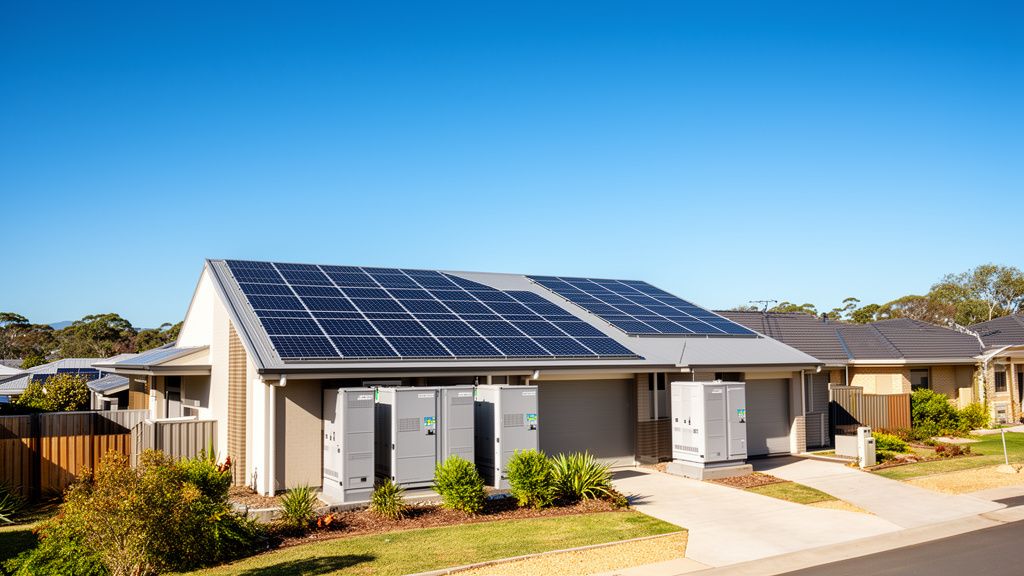
Australia is set to become the world's third-largest big battery market by 2025 because of an aggressive push towards renewable energy and a pressing need to stabilise its electricity grid. The Clean Energy Council's 2024 report predicts this rapid expansion. Coal-fired power stations are retiring faster than anticipated, particularly in Victoria and NSW, creating a demand for large-scale battery storage to "firm" new solar and wind farms. These batteries don't just store excess power; they make intermittent renewables dispatchable and reliable, ensuring supply even without sun or wind. The Hornsdale Power Reserve in South Australia demonstrated the value of these systems by responding to grid events within milliseconds, a capability traditional generators cannot match. This success spurred further investment.
Government Policy and Investment Driving Growth
State and federal governments actively drive this growth through significant investment and supportive policies. The New South Wales government's Waratah Super Battery, an 850MW/1680MWh system near Eraring Power Station, exemplifies this commitment. It will act as a "shock absorber" for the grid, allowing more electricity to flow into Sydney and Newcastle. Similarly, the Victorian government supports projects like the 300MW/450MWh Victorian Big Battery. These initiatives often include long-term contracts for developers, de-risking multi-hundred-million-dollar projects. The Australian Energy Market Operator (AEMO) prioritises battery connections as part of its Integrated System Plan, recognising their fundamental role in a future grid dominated by renewable energy.
What Role Do Large-Scale Batteries Play in Australia's Energy Future?
Large-scale batteries play a crucial role in Australia’s energy future by enhancing grid reliability, enabling deeper penetration of renewables, and providing essential services. These systems act as dynamic grid components, responding instantly to changes in supply and demand. AEMO data often shows batteries providing frequency control services, essential for maintaining the grid's stability at 50Hz, far more effectively than traditional power stations. They absorb excess solar power during peak generation, like midday, then discharge it during evening peaks. This reduces reliance on gas peakers and potentially lowers wholesale electricity prices. This load shifting helps smooth out the "duck curve" typical of grids with high solar penetration, where net demand drops significantly during the day and spikes late afternoon.
Improving Grid Stability and Resilience
Big batteries significantly improve grid stability and resilience, especially in regions with weaker transmission infrastructure. The Hornsdale Power Reserve showed how quickly batteries respond to outages, injecting power within milliseconds to prevent widespread blackouts. Beyond rapid response, these batteries provide "synthetic inertia," mimicking stability services from large spinning generators. This is crucial as older synchronous generators retire. The ability of large batteries to "black start" a section of the grid, bringing it online after a total shutdown without external power, provides critical energy security. This makes the grid more robust against extreme weather and system failures.
What Challenges Face Australia's Big Battery Expansion?
Australia's big battery expansion faces significant challenges, despite its rapid growth, particularly concerning grid connection approvals and supply chain constraints. Connecting these massive systems to the national electricity grid often involves lengthy and complex approval processes with AEMO and various network service providers. Developers report connection queues stretching for years, delaying project commissioning and increasing costs. Each battery must undergo rigorous testing to ensure safe and effective integration. Furthermore, global demand for battery components, especially lithium-ion cells, pressures supply chains. Securing sufficient materials and manufacturing capacity becomes difficult, potentially leading to higher costs and project delays. Geopolitical factors also influence component availability.
Sourcing Materials and Attracting Skilled Workers
Sourcing essential materials and attracting skilled workers represent further hurdles for the expanding big battery sector. Most large-scale batteries use lithium-ion technology. While Australia has significant lithium deposits, local processing and manufacturing capacity remain limited. This means reliance on overseas markets for finished cells and components, exposing projects to international market fluctuations and shipping delays. Building and maintaining these complex facilities requires a highly specialised workforce, from electrical engineers and software developers to experienced project managers. Australia needs to invest in training and education to ensure a sufficient pipeline of skilled professionals, or labour shortages could impact battery deployment speed.


How Do Big Batteries Affect Everyday Australian Electricity Bills?
Big batteries affect everyday Australian electricity bills by reducing wholesale price volatility and enhancing overall grid efficiency, which can lead to lower energy costs over time. Wholesale electricity prices on the National Electricity Market (NEM) can spike dramatically during high demand or unexpected generator outages. Large batteries quickly discharge stored energy into the grid during these spikes, alleviating supply constraints and moderating prices. For instance, when a major generator trips, batteries can fill the gap in milliseconds, preventing prices from hitting the market cap. This "price dampening" effect filters down to retailers and eventually to consumers, as retailers face lower average wholesale costs.
Ultimately, these systems improve the economic efficiency of integrating renewables. By making solar and wind power more dispatchable, they reduce the need for expensive gas or diesel peaker plants, which operate during peak demand. This lower operational cost in the generation mix contributes to a more stable and potentially lower overall cost of electricity for households and businesses. A more reliable grid also means fewer blackouts, which carry significant economic costs. While a direct, immediate drop on a quarterly bill might not be obvious from a single battery project, the collective impact of a robust fleet of large-scale batteries creates a more stable and cheaper energy market over the long term.
Key Takeaways
- Australia will become the world's third-largest big battery market by 2025 due to a rapid increase in renewable energy projects and critical grid stability needs.
- Large-scale batteries firm up intermittent solar and wind power, ensuring dispatchable supply even without sunshine or wind.
- Government support, like the Waratah Super Battery in NSW, funds major battery projects to stabilise the grid and manage renewable integration.
- Challenges include lengthy grid connection approvals and global supply chain pressures for battery components.
- Big batteries contribute to lower wholesale electricity prices by reducing volatility and decreasing reliance on expensive peak power generators.
Read More
For a comprehensive overview, check out our master guide: Read the Full Guide Here.