TL;DR: The global power sector is rapidly shifting towards renewables, primarily driven by dramatic cost reductions and increasing policy support. For Australia, this transition presents immense opportunities to leverage its abundant solar resources, enhance energy security, and establish itself as a clean energy exporter, provided it addresses critical grid modernisation and storage challenges.
What is driving the global power sector's accelerated shift to renewables?
The global power sector is undergoing a profound transformation, moving away from fossil fuels at an unprecedented pace. This shift isn't just about environmental concerns; it is fundamentally an economic imperative. The cost of generating electricity from renewable sources, particularly solar and wind, has plummeted over the last decade. Solar PV module prices, for instance, have fallen by over 90% since 2010, making new solar and wind projects cheaper to build and operate than new fossil fuel plants in most parts of the world. This dramatic cost reduction means renewable energy is now the most economic option for new power generation. Beyond economics, government policies worldwide, including carbon pricing, renewable energy targets, and direct subsidies, actively encourage this transition. Many nations recognise the need to decarbonise their economies to meet international climate commitments, with a growing understanding that clean energy also offers greater energy security by reducing reliance on imported, volatile fossil fuels. The International Energy Agency predicts that renewables will account for nearly 95% of the increase in global power capacity through 2026. This global momentum sets a new baseline for how countries, including Australia, plan their energy infrastructure.
How cheaper technology shapes the energy landscape
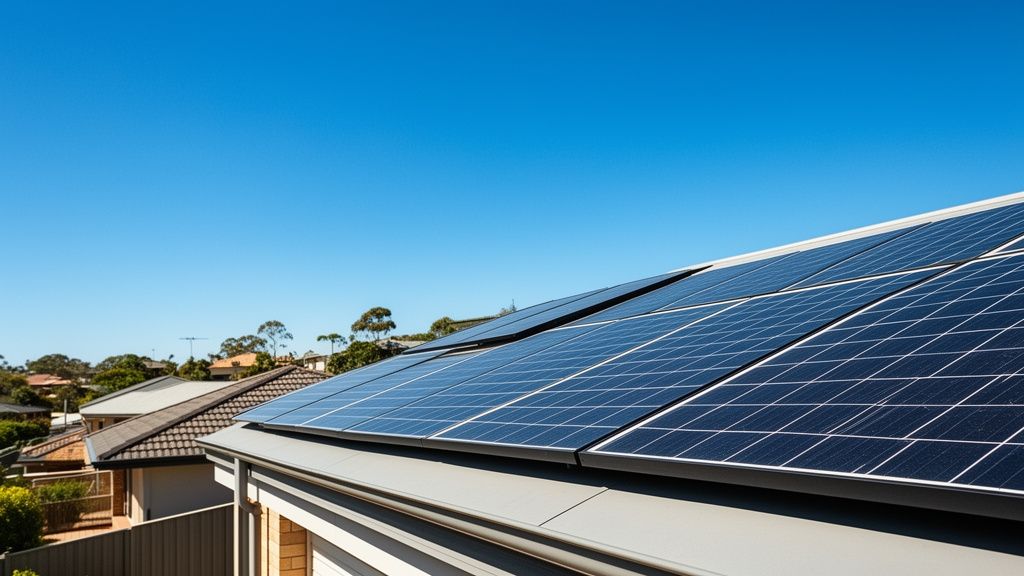
Cheaper renewable technology fundamentally reshapes investment decisions and national energy strategies. When a new solar farm can deliver electricity for around $50-$70 per megawatt-hour (MWh), compared to $80-$120/MWh for a new gas-fired power station, the choice becomes clear for investors and governments. This economic advantage extends beyond utility-scale projects. For Australian households, the decreasing cost of solar panels and battery storage means a 6.6kW solar system, which might have cost $10,000 ten years ago, now sits closer to $5,000-$7,000 after rebates. These lower upfront costs shorten payback periods, making solar an increasingly attractive personal investment. Businesses also benefit, reducing operational expenses and enhancing their sustainability credentials. This cost competitiveness is the primary engine behind the global acceleration in renewable energy adoption, making clean energy the default choice for future power development.
How does Australia stand to gain from this global energy transition?
Australia possesses an unparalleled advantage in this global energy transition due to its abundant solar and wind resources. We have some of the highest solar irradiance levels in the world, making large-scale solar power generation exceptionally efficient. This natural endowment allows Australia to not only meet its own energy needs with renewables but also become a significant exporter of clean energy. The global shift creates new markets for Australian green products, such as green hydrogen and green ammonia, produced using renewable electricity. Countries like Japan, South Korea, and Germany are actively seeking reliable sources of green energy, and Australia is well-positioned to become a key supplier. Transitioning to renewables also improves Australia's energy security. By generating power domestically from inexhaustible sun and wind, we reduce our exposure to volatile international fossil fuel markets and geopolitical risks. This move stabilises electricity prices for consumers and businesses, supporting economic growth and industrial competitiveness.
Opportunities in green energy exports and local manufacturing
The potential for green energy exports represents a massive economic opportunity for Australia. Projects like the Asia Renewable Energy Hub in Western Australia aim to produce vast quantities of green hydrogen and ammonia for export, leveraging immense solar and wind resources. This isn't just about exporting energy; it also opens doors for local manufacturing. Producing green hydrogen domestically requires electrolysers and other specialised equipment, creating new industries and jobs across the country. Australian companies can innovate and scale up production of these technologies, positioning Australia as a leader in the global green economy. Furthermore, the transition encourages investment in critical minerals processing, essential for batteries and renewable technologies, adding further value to our natural resources rather than simply exporting raw materials. This holistic approach builds a robust, diversified economy centred on clean energy.
What are the key challenges Australia faces in integrating more renewables?
While the opportunities are significant, Australia faces specific challenges in fully integrating a high proportion of renewables into its national grid. The primary hurdle involves modernising our existing electricity grid, which was largely designed for a centralised fossil fuel power generation model. Integrating intermittent sources like solar and wind requires substantial investment in new transmission lines to connect remote renewable energy zones to demand centres. It also requires enhanced grid stability services. Solar and wind generate power only when the sun shines or the wind blows, necessitating flexible backup generation and large-scale energy storage solutions, such as big batteries or pumped hydro. Maintaining a stable grid with a high penetration of renewables means managing rapid fluctuations in supply and demand, which our current infrastructure struggles with. Additionally, consistent and clear policy signals from all levels of government are essential to de-risk investments and encourage the long-term infrastructure planning required for this transition.


Overcoming grid stability and infrastructure hurdles
Australia is actively addressing grid stability and infrastructure challenges through various projects. The Australian Energy Market Operator (AEMO) has outlined a clear Integrated System Plan (ISP) that details necessary transmission upgrades and new generation required to achieve a high-renewable grid. This includes projects like EnergyConnect, linking NSW and South Australia, and Humelink in NSW, designed to improve interconnection and dispatchability. Large-scale battery projects, such as the Victorian Big Battery or the massive planned Waratah Super Battery in NSW, provide critical fast-response frequency regulation and contingency support, helping to smooth out renewable intermittency. However, these projects require significant capital and coordinated effort across states and territories. Overcoming these hurdles means not just building new infrastructure but also adopting advanced digital grid management systems to optimise energy flows and ensure reliability as our energy mix continues to evolve.
Key Takeaways
- The global power sector is rapidly shifting to renewables due to significant cost reductions in solar and wind, making them the cheapest new power sources.
- Australia has a unique opportunity to become a global leader in clean energy, leveraging its abundant solar and wind resources to power its economy and export green energy products.
- Developing green hydrogen and other green export industries will create new economic opportunities and local manufacturing jobs.
- Integrating high levels of renewables requires substantial investment in grid modernisation, new transmission infrastructure, and large-scale energy storage solutions across Australia.
- Consistent policy and coordinated planning are crucial to navigating the transition effectively and ensuring grid stability and energy security for all Australians.
Read More
For a comprehensive overview, check out our master guide: Read the Full Guide Here.