Harnessing the Sun: What to Expect from an 8kW Solar System Across Australia
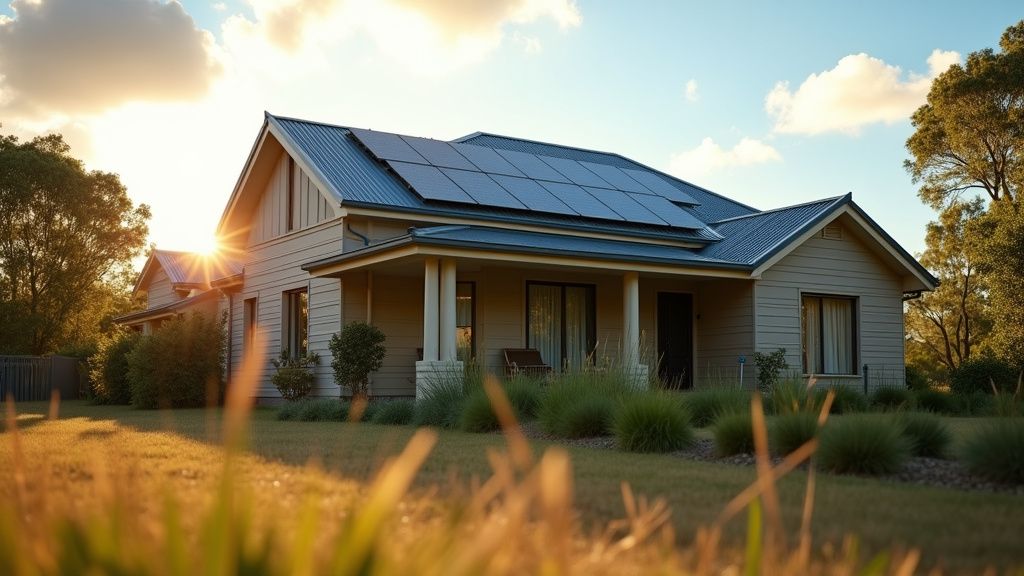
Thinking about going solar? An 8kW solar system is a popular choice for many Australian households, offering a good balance between energy production and cost. But how much electricity can you realistically expect from an 8kW system in different parts of Australia? That's what we'll break down in this blog post.
Before we dive in, if you're just starting your solar journey, be sure to check out our comprehensive guide: Complete Guide. It covers everything from costs and rebates to installation and maintenance.
Why Location Matters for Solar Output
The amount of sunshine your solar panels receive is the most crucial factor determining their output. Australia enjoys abundant sunshine, but irradiance (solar radiation received per unit area) varies significantly across the country. Factors like latitude, cloud cover, and average daily sunshine hours all play a role. A system in sunny Queensland will generally produce more electricity than one in a cloudier part of Victoria.
Understanding Daily and Annual Output
Solar system output is usually measured in kilowatt-hours (kWh). We'll look at both the daily average output and the annual output to give you a comprehensive understanding. Keep in mind that these are averages. Actual output will fluctuate depending on the weather, the time of year, and the orientation of your panels.
Estimating Output Across Key Australian Cities
Here's a breakdown of what you can generally expect from an 8kW solar system in various Australian cities. These figures are estimates based on average solar irradiance data.
-
Sydney, NSW: Sydney enjoys a good amount of sunshine. An 8kW system here can typically produce around 28-32 kWh per day, resulting in an annual output of roughly 10,220 - 11,680 kWh.
-
Melbourne, VIC: Melbourne, known for its variable weather, sees slightly lower output. Expect around 24-28 kWh per day on average, leading to an annual production of approximately 8,760-10,220 kWh.
-
Brisbane, QLD: With its sunny climate, Brisbane is an excellent location for solar. An 8kW system can generate around 32-36 kWh per day, translating to an annual output of around 11,680-13,140 kWh.

-
Adelaide, SA: Adelaide boasts a very sunny climate, often ranking among the sunniest capital cities in Australia. Expect approximately 30-34 kWh per day, giving an annual output of around 10,950 - 12,410 kWh.
-
Perth, WA: Perth is renowned for its sunshine. An 8kW system can generate roughly 34-38 kWh per day, resulting in an annual output of around 12,410 - 13,870 kWh.
-
Hobart, TAS: Tasmania experiences lower solar irradiance compared to the mainland. Expect around 20-24 kWh per day, resulting in an annual output of approximately 7,300-8,760 kWh.
-
Darwin, NT: Darwin's tropical climate, despite monsoonal seasons, provides excellent solar irradiation. An 8kW system should achieve about 36-40 kWh per day on average, totalling approximately 13,140 - 14,600 kWh yearly.
Factors Affecting Your System's Performance
While location is a key factor, several other elements influence your solar system's performance:
-
Panel Orientation and Tilt: Ideally, solar panels should face north in Australia. The optimal tilt angle depends on your latitude. A local solar installer can advise on the best configuration for your specific location.
-
Panel Quality: Higher-quality panels generally have better efficiency and last longer. Investing in reputable brands is often worthwhile.
-
Shading: Even partial shading can significantly reduce output. Trim trees and address any potential shading issues before installation.
-
Inverter Efficiency: The inverter converts DC electricity from the panels into AC electricity for your home. A high-efficiency inverter maximizes energy conversion.
-
System Maintenance: Regularly cleaning your panels and ensuring the system is functioning correctly will help maintain optimal performance.
Is an 8kW System Right for You?
An 8kW solar system is generally suitable for households with moderate to high energy consumption. It can significantly reduce your electricity bills and contribute to a more sustainable lifestyle. To determine the ideal system size for your needs, consider your average daily energy usage, roof space availability, and budget. Consulting with a reputable solar installer is crucial to assess your specific requirements and get personalized recommendations. Many installers throughout Australia aim to provide honest and transparent service when helping clients assess their specific needs.