Is an 8kW Solar System the Sweet Spot for Your Aussie Home? A Comparison
Thinking about making the switch to solar? Great choice! With electricity prices constantly on the rise, harnessing the power of the sun is becoming increasingly attractive for Australian homeowners. But with so many options available, deciding on the right solar system size can be confusing. This blog post cuts through the jargon and compares the popular 8kW system to its 6.6kW and 15kW counterparts, helping you determine which setup best suits your needs and budget.
For a more detailed dive, be sure to check out our Complete Guide.
Understanding Your Energy Needs:
Before we dive into the specifics of each system size, it's crucial to understand your household's energy consumption. This will be the foundation for determining the optimal solar system size. Are you a small family with modest energy needs, or a larger household with energy-intensive appliances like air conditioners and electric vehicle chargers?
According to recent data, the average household in the Newcastle, Maitland, and Hunter regions of NSW consumes roughly 17.2 kWh per day (around 6,278 kWh annually). However, individual consumption can vary widely, typically ranging from 15 to 25 kWh daily. Examining your past electricity bills is the best way to get an accurate picture of your energy usage.
6.6kW Solar System: A Solid Start for Smaller Households
The 6.6kW solar system has long been a favourite amongst Australian households. They are generally a good fit for smaller homes with lower energy demands. Here’s what to consider:
- Pros:
- Lower upfront cost compared to larger systems.
- Often sufficient to offset a significant portion of daytime energy consumption for smaller households.
- Requires less roof space than larger systems.
- Cons:
- May not generate enough electricity to cover all your energy needs, especially during peak consumption periods or in households with larger energy demands.
- Could leave you reliant on the grid for power during evenings and cloudy days, resulting in ongoing electricity bills.
- May not be suitable if you plan to significantly increase your energy consumption in the future (e.g., by adding an electric vehicle).
8kW Solar System: Striking a Balance
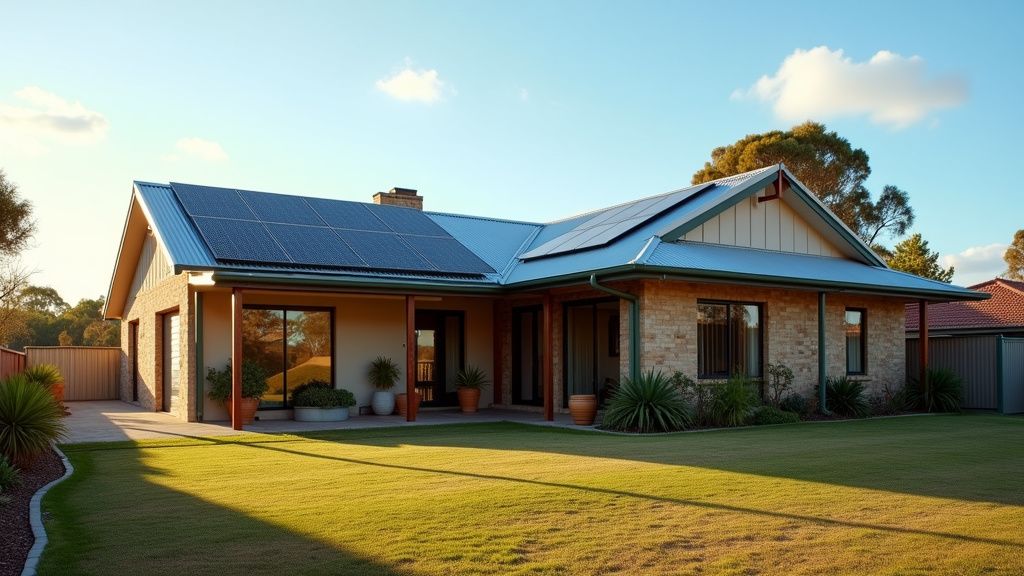
The 8kW system offers a compelling middle ground, providing a greater energy yield compared to the 6.6kW system while remaining more affordable than a 15kW setup.

- Pros:
- Good balance between cost and energy generation.
- Often suitable for medium-sized households with average energy consumption.
- Can significantly reduce reliance on the grid and lower electricity bills.
- Leaves room for future energy needs, such as adding a small electric vehicle charger.
- Cons:
- Higher upfront cost than a 6.6kW system.
- May require a larger roof area than a 6.6kW system.
- Might not completely eliminate electricity bills for households with very high energy consumption.
15kW Solar System: Powering Larger Homes and Businesses
The 15kW system is designed for larger households or even small businesses with substantial energy requirements.
- Pros:
- High energy generation capacity, capable of covering significant energy demands.
- Can virtually eliminate electricity bills for most households.
- Ideal for homes with multiple air conditioners, electric vehicles, or other high-energy appliances.
- Potential to export excess energy back to the grid, generating income through feed-in tariffs (check with your local electricity provider).
- Cons:
- Highest upfront cost of the three options.
- Requires a significant amount of roof space.
- May generate more energy than your household consumes, particularly during off-peak periods.
Estimating Panel Numbers:
Let's use an example with 470W solar panels. Solar panels are rated by their wattage, indicating their peak power output. Modern solar panels can now output 470W within a standard sized module due to improved solar technology. This increase in power output comes from shifting to N-type and half-cell designs. Assuming around 4.5 hours of peak sunlight per day:
- 6.6kW System: Approximately 14 panels (6,600W / 470W = ~14 panels).
- 8kW System: Approximately 17 panels (8,000W / 470W = ~17 panels).
- 15kW System: Approximately 32 panels (15,000W / 470W = ~32 panels).
These are estimates, and the actual number of panels may vary depending on the specific panel model and installation factors.
Making the Right Choice:
Choosing the right solar system size depends on a combination of factors, including your energy consumption, budget, roof space, and future energy needs. If you're still unsure, it's best to consult with a qualified solar installer who can assess your specific requirements and recommend the optimal system size for your home.
They can also advise on suitable panel brands. Some brands, such as Trina Solar, have established a strong reputation in Australia for providing dependable, high-performance solar solutions suitable for both residential and commercial installations. Their Vertex series, for example, is known for its efficiency, durability, and aesthetic appeal.
Ultimately, investing in solar is a smart move that can save you money on electricity bills and reduce your carbon footprint. By carefully considering your energy needs and comparing the different system sizes, you can find the perfect solar solution for your Australian home.