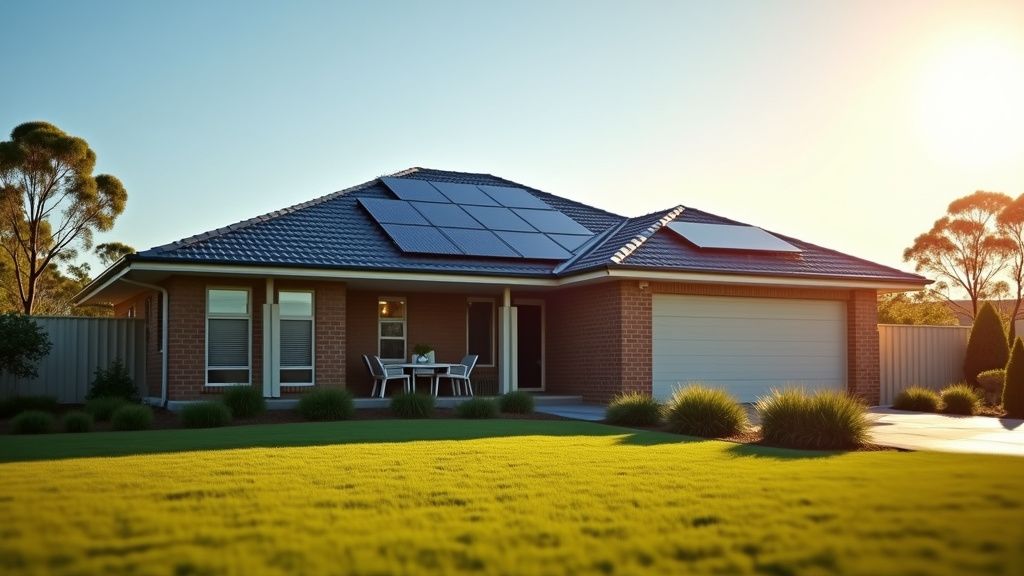
6.6kW Solar System Payback Period: Is it Worth the Investment for Aussies?
Thinking of going solar? A 6.6kW solar system is a popular choice for Australian households, offering a good balance between energy generation and cost. But before you take the plunge, it's crucial to understand the payback period and whether it truly makes financial sense for your specific situation.
What is a 6.6kW Solar System and Why is it Popular?
A 6.6kW solar system is comprised of solar panels that, under ideal conditions, can generate 6.6 kilowatts of electricity at any given moment. This size is popular because it's generally considered the maximum size allowed for a single-phase connection in many Australian states, maximizing your potential solar generation without requiring expensive grid upgrades.
Understanding the Payback Period
The payback period is the time it takes for the savings from your solar system to equal the initial cost of the system, including installation. After this point, your solar system is essentially generating "free" electricity, reducing your reliance on the grid and saving you money long-term.
Factors Affecting Payback Period:
Several factors influence the payback period of a 6.6kW solar system:
- System Cost: The initial cost of the system varies depending on the quality of the panels and inverter, the complexity of the installation, and the installer you choose. Expect to pay anywhere from $4,000 to $8,000 for a fully installed 6.6kW system after government rebates.
- Electricity Consumption: How much electricity you use daily is a major factor. The more electricity you consume, the more you can directly use from your solar panels (known as "self-consumption"), reducing your reliance on grid electricity.
- Solar Self-Consumption: This is the percentage of solar energy you use directly in your home. The higher your self-consumption, the greater your savings. Running appliances like washing machines, dishwashers, and air conditioners during daylight hours will maximise self-consumption.
- Feed-in Tariff (FiT): When your solar system generates more electricity than you're using, the excess is sent back to the grid. Your electricity retailer will pay you a feed-in tariff for this exported energy. However, FiTs are typically lower than the price you pay for grid electricity, so self-consumption is always more beneficial.
- Electricity Prices: The higher the price of electricity from your retailer, the more you save by using solar power. Electricity prices are on the rise in Australia, making solar an increasingly attractive investment.
- Location and Climate: The amount of sunlight your location receives directly impacts the amount of electricity your system generates. Sunny locations will naturally have shorter payback periods.
- Government Rebates and Incentives: Government rebates, such as the Small-scale Technology Certificates (STCs), significantly reduce the upfront cost of the system.
- Demand Charges (if applicable): Some electricity plans, particularly for businesses, include demand charges based on peak electricity usage. Solar generation during peak demand periods can reduce these charges, leading to further savings.
Calculating the Payback Period:


While a precise calculation requires detailed analysis of your specific circumstances, here’s a simplified example:
-
System Cost: $5,000 (after rebates)
-
Annual Electricity Savings: $800 (based on reduced grid consumption and feed-in tariff)
Payback Period: $5,000 / $800 = 6.25 years
Keep in mind that this is a simplified calculation. A more accurate estimate would consider factors like annual degradation of panel performance (solar panels typically degrade slightly over time) and potential increases in electricity prices.
Is a 6.6kW Solar System Worth the Investment?
For most Australian households with moderate to high electricity consumption, a 6.6kW solar system is a worthwhile investment. Here's why:
- Reduced Electricity Bills: The most obvious benefit is a significant reduction in your electricity bills, often by 50-80%.
- Increased Property Value: Solar panels can increase the value of your home, making it more attractive to potential buyers.
- Environmental Benefits: Solar energy is a clean, renewable energy source, reducing your carbon footprint and contributing to a more sustainable future.
- Energy Independence: Solar reduces your reliance on the grid and provides greater control over your energy costs.
Tips to Maximise Your Solar Investment:
- Increase Self-Consumption: Shift your electricity usage to daylight hours to maximise self-consumption.
- Consider a Battery: Adding a battery allows you to store excess solar energy for use at night or during cloudy days, further increasing self-consumption and reducing reliance on the grid. However, batteries add significantly to the upfront cost, so carefully evaluate their payback period.
- Choose a Reputable Installer: Ensure your system is installed correctly by a qualified and experienced installer.
- Shop Around: Get multiple quotes from different installers to ensure you're getting a competitive price.
- Understand Your Electricity Plan: Choose an electricity plan that offers a reasonable feed-in tariff and suits your energy consumption patterns.
The Verdict:
A 6.6kW solar system can be a fantastic investment for Australian homeowners, offering significant savings, environmental benefits, and increased property value. By carefully considering your individual circumstances and taking steps to maximise self-consumption, you can shorten the payback period and reap the rewards of solar energy for years to come. Remember to seek professional advice from solar experts to determine the best system and plan for your needs.


