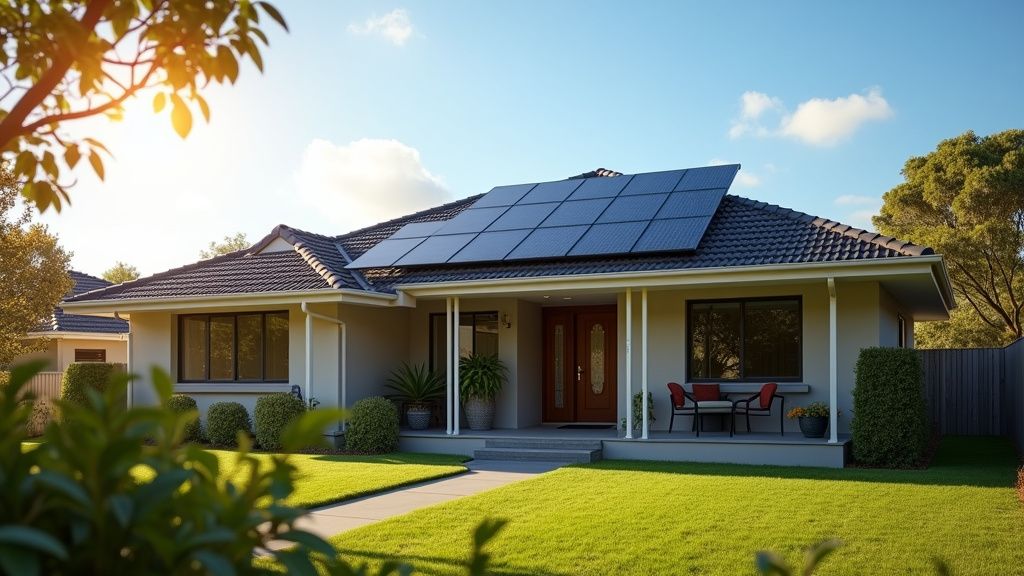
6.6kW Solar System Output: Summer vs. Winter Performance in Australia
Considering a 6.6kW solar system for your home? It's a popular choice for good reason. These systems strike a great balance between affordability, manageable size, and ease of grid connection, making them a sweet spot for many Australian households. But how much power can you really expect, and how does that change with the seasons? This blog post breaks down the summer versus winter performance of a 6.6kW solar system to help you make an informed decision.
Before we dive in, if you're looking for a comprehensive overview, check out our Complete Guide to 6kW and 6.6kW solar systems in Australia.
What Makes Up a 6.6kW Solar System?
A 6.6kW solar system generally comprises around 15 to 20 solar panels, depending on the wattage of each panel. Panels range from around 330W to over 460W each. That means newer, more powerful panels will require fewer units to reach that 6.6kW capacity. Expect to need roughly 30-40 square metres of roof space, although this can vary based on your roof layout and the need for tilt frames.
Interestingly, many 6.6kW systems are paired with a 5kW inverter. This might seem odd, but it’s common practice. In Australia, 5kW inverters are pre-approved for grid connection, simplifying the installation process. A 5kW inverter can handle up to 6.6kW of solar panels, a practice called "overclocking."
Overclocking allows the system to generate more power during the early morning and late afternoon when sunlight is less intense. While peak production might be clipped to 5kW during the sunniest part of the day, overall energy yields are boosted.
The Summer Advantage: Peak Production
During the summer months, Australia enjoys long days and intense sunlight. This translates to significantly higher energy production from your 6.6kW solar system. On average, expect to see daily output ranging from 25-35 kWh, and even higher in particularly sunny locations like Queensland or Northern Territory.
This abundance of solar energy is ideal for running air conditioners, pool pumps, and other high-demand appliances. You'll likely generate a significant surplus, which can be fed back into the grid for a feed-in tariff, further reducing your electricity bills.


Winter Realities: Reduced Sunlight, Reduced Output
As the days shorten and the sun's angle decreases in winter, solar panel performance naturally dips. Expect a drop in daily output, typically ranging from 15-25 kWh, depending on your location. Cloudy days further reduce energy production.
While a 6.6kW system will still generate electricity in winter, it's unlikely to cover all your energy needs, particularly if you rely on electric heating. You may need to draw more power from the grid during these months.
Location, Location, Location: It Matters!
Solar output is highly dependent on your location. Regions with more sunshine, like Western Australia and Queensland, will generally experience higher energy yields than areas with more cloud cover, such as Tasmania or Victoria.
Factors like the orientation and tilt of your roof, as well as any shading from trees or nearby buildings, also play a significant role in determining your system's performance.
Battery Storage: Bridging the Gap
If you're concerned about the variability in solar output between summer and winter, consider adding battery storage to your 6.6kW system. A battery allows you to store excess energy generated during the day and use it later, such as during the evening or on cloudy days.
For most households, a 10-14 kWh battery is a suitable size to pair with a 6.6kW system. This combination can significantly increase your self-consumption of solar energy and reduce your reliance on the grid.
Cost and Payback
As of 2025, a typical 6.6kW solar system costs around $5,000 to $6,000 after the federal STC rebate. The payback period – the time it takes for the system to pay for itself through energy bill savings – varies depending on factors like your electricity consumption, feed-in tariff rates, and the cost of your system. Many homeowners find that a 6.6kW system pays for itself in 3-6 years.
Keep in mind that a slightly lower price for your install now may mean lower quality components, panels or workmanship and less energy generated over the lifetime of the system.
Is a 6.6kW System Right for You?
A 6.6kW solar system is a popular choice for many Australian homes. Its output varies seasonally, with peak performance in summer and reduced output in winter. By understanding these variations and considering factors like location, battery storage, and system cost, you can make an informed decision about whether a 6.6kW system is the right fit for your energy needs.