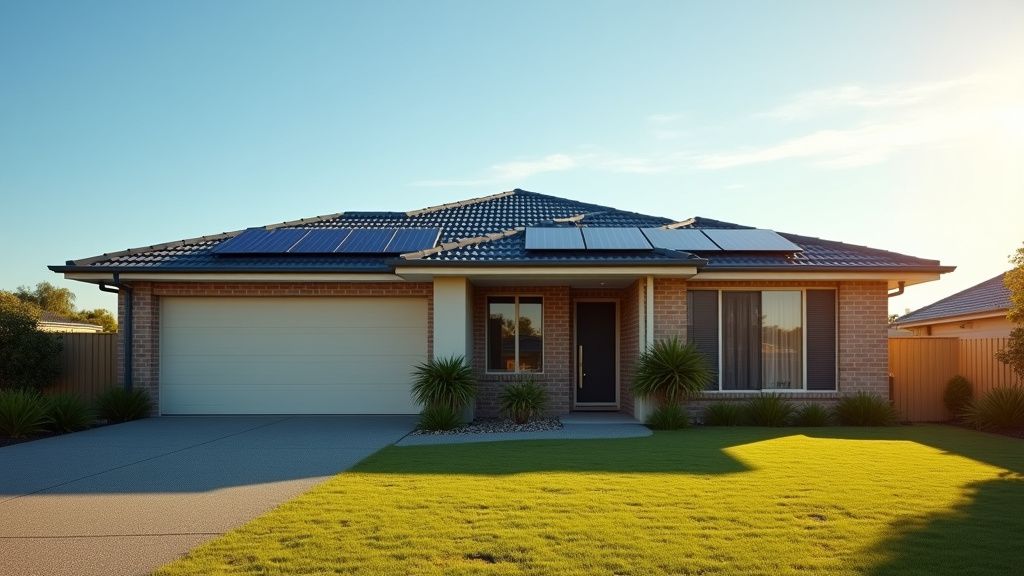
10kW Solar System with Battery Storage: Is It Worth It for Aussies?
Considering a 10kW solar system with battery storage for your home? It's a big decision, and one that requires careful consideration of your energy needs, budget, and lifestyle. This blog post will delve into the pros and cons to help you decide if this investment is right for you. For a more comprehensive breakdown, check out our Complete Guide.
Who is a 10kW System For?
A 10kW solar system is generally on the larger side for residential installations in Australia, where 5kW to 6.6kW systems are more common. These larger systems are best suited for households with high electricity consumption, typically those using upwards of 40kWh per day. This might include families with multiple air conditioners, electric vehicle chargers, swimming pools, or home businesses. A smaller business with modest energy requirements might also find a 10kW system appropriate.
How Much Roof Space Do You Need?
A 10kW system typically requires between 25 and 30 solar panels, each around 1.7 metres by 1 metre. This translates to roughly 80 square metres of roof space. Keep in mind that newer, more efficient panels are available which require less space, although they typically come at a higher cost. It's crucial to assess your roof's suitability before committing to this size.
What's the Cost?
As of mid-2025, the average cost of a 10kW solar system in Australia is around $9,130 after the federal STC rebate is applied. However, this figure can vary depending on your location and the specific components chosen. Prices have decreased significantly over the past decade but have stabilised in recent years. Consider getting quotes from several reputable installers to get a realistic price tailored to your specific circumstances.
How Much Energy Will It Generate?
The amount of energy a 10kW system generates depends on factors such as location, panel orientation (ideally north-facing in Australia), and weather conditions. On average, a north-facing 10kW system can generate between 35 and 45 kWh per day, depending on the capital city.
The Battery Storage Advantage
Adding battery storage to your 10kW system is where things get interesting. While a standard grid-tied solar system sends excess energy back to the grid for a feed-in tariff, a battery allows you to store that energy for later use, particularly during peak demand periods or at night. This maximises your self-consumption of solar energy, reducing your reliance on the grid and potentially saving you more money.


Is Battery Storage Worth the Extra Cost?
The decision to include battery storage hinges on a few factors. Firstly, consider your energy usage patterns. If you use a significant amount of electricity in the evenings or during periods when solar production is low, a battery can be highly beneficial. Secondly, assess the cost of electricity in your area and the available feed-in tariff rates. In areas with high electricity prices and low feed-in tariffs, self-consumption becomes much more attractive, making battery storage a worthwhile investment.
Financial Returns: Payback and IRR
The payback period and internal rate of return (IRR) for a 10kW system with battery storage will vary based on self-consumption rates, electricity prices, and feed-in tariffs. Higher self-consumption rates lead to faster payback and a higher IRR. Use a solar payback calculator to estimate the potential returns based on your specific circumstances.
Self-Consumption is Key
Feed-in tariffs are generally lower than the retail price of electricity. Therefore, the more solar energy you use directly, the more you save. Aim to self-consume at least 30% of the energy your system produces. With battery storage, you can significantly increase your self-consumption and reduce your reliance on the grid.
Things to Consider:
- Grid Connection Limits: Your local network company may have restrictions on the size of solar systems that can be connected to the grid without additional approvals.
- Professional Advice: Consult with a qualified solar installer to assess your roof, energy needs, and financial goals to determine the optimal system size and battery storage capacity for your home.
- Future Proofing: Consider your future energy needs. Will you be getting an electric vehicle in the next few years? Are you planning to add more appliances? A larger system with battery storage can provide flexibility and future-proof your home against rising energy costs.
The Verdict
A 10kW solar system with battery storage can be a worthwhile investment for Australian households with high energy consumption, particularly those looking to maximise self-consumption and reduce their reliance on the grid. However, it's crucial to carefully assess your energy needs, budget, and location to determine if this size and configuration is the right fit for you. With careful planning and professional advice, you can make an informed decision and reap the long-term benefits of solar energy.


