TL;DR: The federal government is investing $100 million through the CEFC and Infradebt to establish the Distribution Connected Accelerator Program (DCAP). The initiative will finance up to 16 hybrid solar, battery storage, and retrofit projects up to 5 MW, bypassing large-scale transmission delays to deliver clean energy by 2027.
The Distribution Connected Accelerator Program (DCAP) Explained
The Albanese Government has announced a major $100 million investment through the Clean Energy Finance Corporation (CEFC) to fast-track small and medium-sized renewable energy projects. This funding will support the development of up to 16 hybrid solar, battery storage, and battery retrofit projects across Australia.
Managed in partnership with infrastructure specialist Infradebt, the initiative is known as the Distribution Connected Accelerator Program (DCAP). DCAP is a new financing initiative aimed at helping these renewable energy projects reach the construction phase in 2027. By addressing early-stage financing gaps, the program ensures that viable mid-scale energy developments can proceed to construction without the delays typical of smaller infrastructure projects.
Targeting the "Missing Middle" of Energy Generation
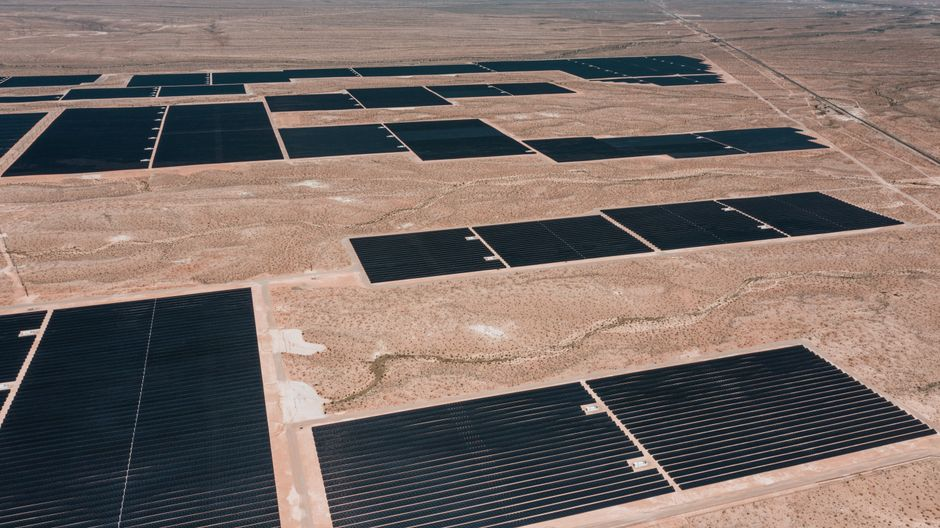
DCAP will primarily target renewable energy projects up to 5 megawatts (MW) in capacity, with provisions for larger projects where appropriate. Projects of this size represent the "missing middle" of the Australian energy sector—situated between residential rooftop solar and massive utility-scale wind and solar developments.
Systems up to 5 MW offer unique advantages for the electricity grid:
- Local Capacity: They are large enough to generate reliable electricity to power local communities and business hubs.
- Immediate Grid Integration: They are small enough to connect directly to existing parts of the local distribution network (the local "poles and wires").
- Bypassing Transmission Bottlenecks: Because they connect to the existing network, these projects do not have to wait for major new transmission line projects to be completed before they can bring power online.
Climate Change and Energy Minister Chris Bowen emphasized that these projects make better use of existing grid infrastructure, bringing more clean energy online faster and at a lower cost to consumers.


Overcoming Capital and Financing Barriers
Many smaller, community-scale renewable energy projects face significant hurdles when trying to secure commercial funding. Traditional project finance from major banks is heavily geared toward multi-hundred-megawatt utility developments. Despite being technically viable, smaller developments up to 5 MW often struggle to access capital.
DCAP directly addresses this market failure by providing concessional senior debt. Infradebt will select eligible projects through a highly competitive application process. This access to capital will improve financing terms, help projects break ground sooner, and build a reliable pipeline of local renewable generation.
This program represents a long-term collaboration. Over the past 13 years, Infradebt has successfully financed more than 80 infrastructure projects, including over 40 distribution-connected renewable energy developments. The DCAP initiative builds on a previous $150 million CEFC commitment to Infradebt, representing a significant expansion of their joint investment in Australia's renewable future.
Key Takeaways
- $100 Million Funding Pool: The CEFC is investing $100 million through Infradebt to establish the Distribution Connected Accelerator Program (DCAP).
- Project Targets: The initiative will fund up to 16 hybrid solar, battery storage, and battery retrofit projects.
- Sweet-Spot Capacity: Funding is focused on projects up to 5 MW, which are ideal for powering local communities while using existing infrastructure.
- Target Construction Date: The program is designed to accelerate selected projects to ensure they reach the construction phase in 2027.
- Concessional Senior Debt: DCAP provides concessional senior debt through a competitive process to help developers bypass traditional commercial financing barriers.
- Strong Institutional Backing: Infradebt has financed more than 80 infrastructure projects, including 40+ distribution-connected renewable systems, and this program builds on a prior $150 million CEFC commitment.