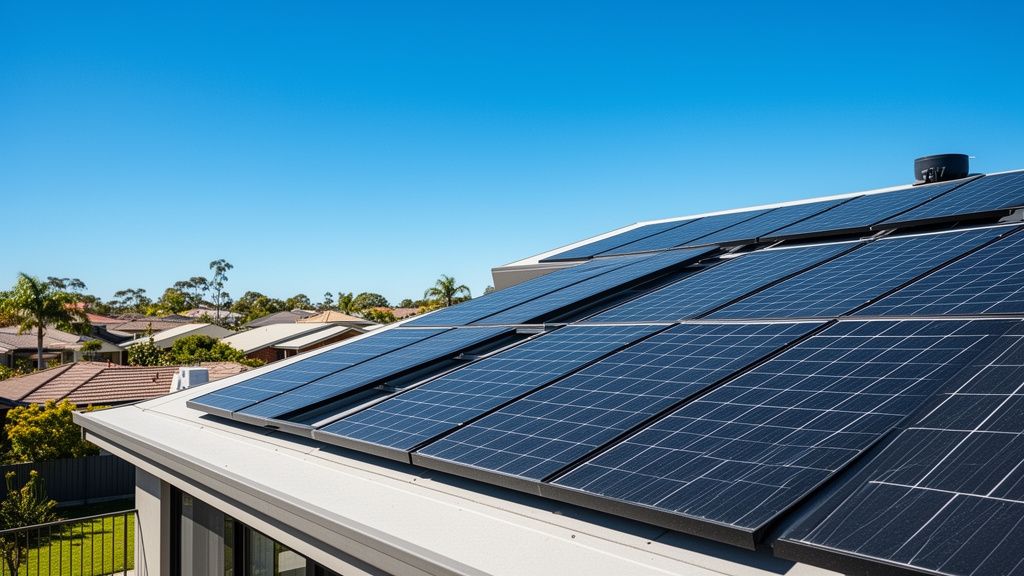
TL;DR: Before installing solar panels, assessing your roof's structural integrity is essential to confirm it can safely bear the additional weight and wind loads. This critical pre-installation check involves evaluating your roof's age, materials, condition, and underlying frame, often requiring a professional engineer's inspection to ensure compliance and avoid costly future problems.
Why Is a Roof Structural Assessment Important Before Solar Installation?
A roof structural assessment is important because solar panels add significant weight and can amplify wind loads, meaning an inadequate roof can lead to severe safety hazards, costly property damage, and potentially voided warranties. Each standard solar panel typically weighs between 18-25 kilograms, and a common 6.6kW system might use 16-20 panels, adding 300-500kg of distributed weight to your roof structure. Beyond the static load, panels significantly increase the surface area exposed to wind, creating uplift and shear forces that an older or weaker roof might not withstand, particularly in Australia's cyclonic or high-wind regions. Neglecting this step risks roof collapse, extensive water damage from compromised waterproofing, and danger to occupants, which no homeowner wants to face after investing in renewable energy.
What Are the Potential Risks of an Uninspected Roof?
The potential risks of installing solar panels on an uninspected roof are substantial and varied. Firstly, there's the catastrophic risk of structural failure, where the roof could sag, crack, or even collapse, causing extensive damage to your home and the solar system itself. This can lead to costly repairs, often uninsured if due diligence wasn't performed. Secondly, compromised roof integrity can result in leaks and water ingress, damaging ceilings, insulation, and electrical systems. Finally, safety is a major factor; a structurally unsound roof poses a direct threat to installers during the process and to residents thereafter. Insurance companies may also refuse to cover damages if the installation proceeded without a proper structural assessment, leaving you financially exposed.
What Factors Determine Your Roof's Structural Readiness for Solar?
Your roof's structural readiness is determined by its age, material type, current condition, and the design and integrity of its underlying framing elements such as trusses, rafters, and purlins. An older roof, particularly one more than 20 years old, might have timber degradation, rust on metal components, or brittle tiles that can't handle additional stress or penetrations. The specific roofing material also matters greatly; Colorbond or other steel sheeting typically offers good strength-to-weight ratios, while terracotta or concrete tiles, being heavier and more fragile, require careful mounting and detailed assessment. Any pre-existing damage like cracks, widespread rust, significant moss growth, or previous repairs needs to be thoroughly evaluated, as these areas could be weak points under new loads.
How Does Roof Material Influence Panel Suitability?
The type of roof material significantly influences the ease, method, and suitability of solar panel installation. Corrugated iron or Colorbond roofs are generally excellent candidates due to their strong nature, lighter weight, and straightforward mounting methods using clamps that attach directly to the metal ribs, minimising roof penetrations. Tiled roofs (concrete or terracotta), however, are heavier and more brittle, requiring greater care. Mounts typically involve lifting individual tiles to secure brackets to rafters underneath, which can increase installation time and the risk of tile breakage. Flat roofs often require tilt-frame systems to achieve optimal panel angles, adding weight and necessitating specific considerations for waterproofing and wind resistance.
What Role Does the Roof's Age and Condition Play?
The age and current condition of your roof are critical indicators of its ability to support a solar system. A roof that is nearing the end of its typical lifespan (e.g., 20-30 years for tiles, 40-70 for metal) may already have diminished structural integrity due to weathering, material fatigue, or pest damage to timber. For example, older timber trusses might be weakened by rot or termite activity, making them unsuitable for additional loads without reinforcement. Similarly, existing damage like widespread rust on metal roofs, cracked tiles, or degraded sarking can compromise the roof's ability to safely hold panels and prevent leaks. Addressing these issues, potentially through repairs or even re-roofing, must happen before solar installation, adding to the overall project cost but ensuring long-term safety and performance.
Who Should Perform a Structural Roof Inspection and What's the Cost?
A qualified structural engineer or a solar installer with certified in-house engineering expertise should perform a structural roof inspection to ensure an accurate assessment and compliance with relevant Australian standards. While many reputable solar companies include a basic visual roof assessment as part of their initial site visit, this typically focuses on surface condition and access. A thorough structural assessment requires a deeper dive into the roof's load-bearing capacity, examining the integrity of trusses, rafters, purlins, and battens, as well as considering existing loads like hot water systems or air conditioners. An independent structural engineer will provide a detailed report, identifying any weak points and recommending specific reinforcements needed to safely accommodate the solar system.
What Does a Professional Structural Engineer's Report Cover?
A professional structural engineer's report provides a detailed, authoritative analysis of your roof's current load-bearing capacity and its suitability for solar panel installation. The report will typically cover an assessment of the existing roof framing (trusses, rafters, purlins), an evaluation of the roof material's condition, calculations for the additional dead and live loads imposed by the solar system, and an analysis of wind uplift resistance. It will identify any deficiencies or areas needing reinforcement, specify the type and location of required structural upgrades, and importantly, provide certification that the roof will be safe and compliant post-installation. This document is often a requirement for council approvals and insurance purposes.
What Is the Typical Cost for a Structural Assessment in Australia?
The typical cost for a structural assessment in Australia varies depending on the complexity of your roof and your location. A basic assessment by a solar installer might be free or included as part of their quoting process. However, for a detailed independent structural engineer's report, you can expect to pay anywhere from $500 to $1,500. This cost reflects the specialist expertise required to evaluate your roof thoroughly and provide certified recommendations. If reinforcement is deemed necessary, the costs can fluctuate widely, from a few hundred dollars for minor bracing to several thousand dollars for significant structural upgrades, such as adding new beams or modifying existing trusses. It's an upfront investment that provides essential peace of mind and prevents much larger expenses down the track.
Key Takeaways
- Always obtain a professional structural assessment of your roof before committing to solar panel installation.
- Consider your roof's age, material, and current condition as critical factors in its readiness for solar.
- Address any identified roof repairs or structural reinforcement prior to panel installation to ensure safety and longevity.
- Factor the potential costs of a structural inspection and any necessary upgrades into your overall solar budget.
- Ensure your chosen solar installer prioritises roof safety and integrates any engineer's recommendations into their installation plan.