Solar Panels
Choosing the Right Size Solar Battery for Your Home
Choosing the right size battery isn't about picking the biggest or the cheapest option.
Understanding DNSPs and Export Constraints for Victorian Solar Systems
In the context of solar, your DNSP manages connecting your solar system to the grid.
How Many Solar Panels Do You Need? Determining the Right Size
A typical home system might have, say, 19 solar panels, each rated at 350 Watts. Typical residential solar panels occupy roughly 1.7 square meters each.
Solar Panel Sizes and Dimensions
A modern residential solar panel is roughly 1.7 to 1.8 metres by 1.1 metres. They're becoming increasingly common in newer solar panel models.
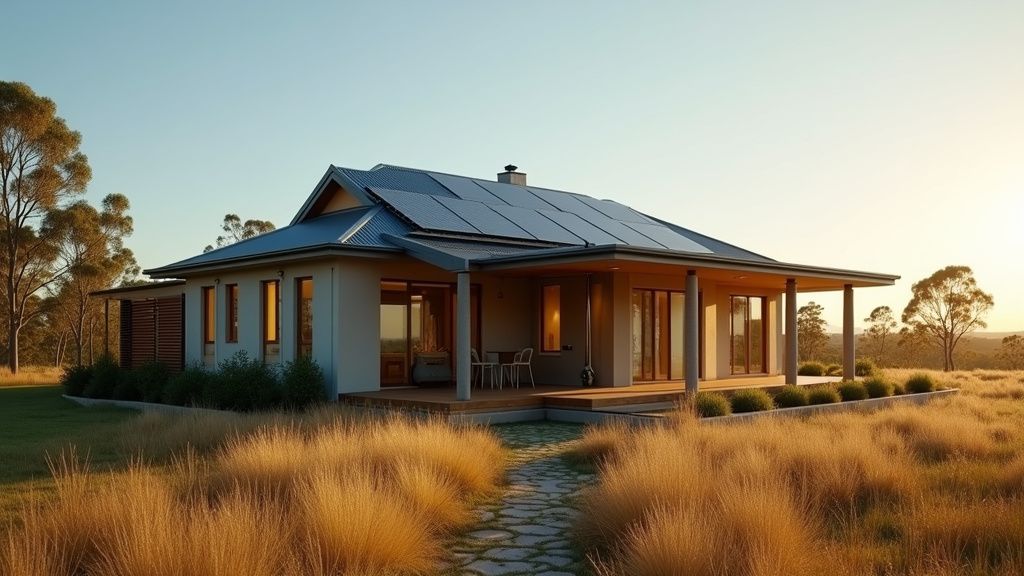
Understanding TOPCon 3.0 Technology in Solar Panels
One such advancement making waves is TOPCon 3.0 technology. First, learn all about the latest innovations, including our Complete Guide.
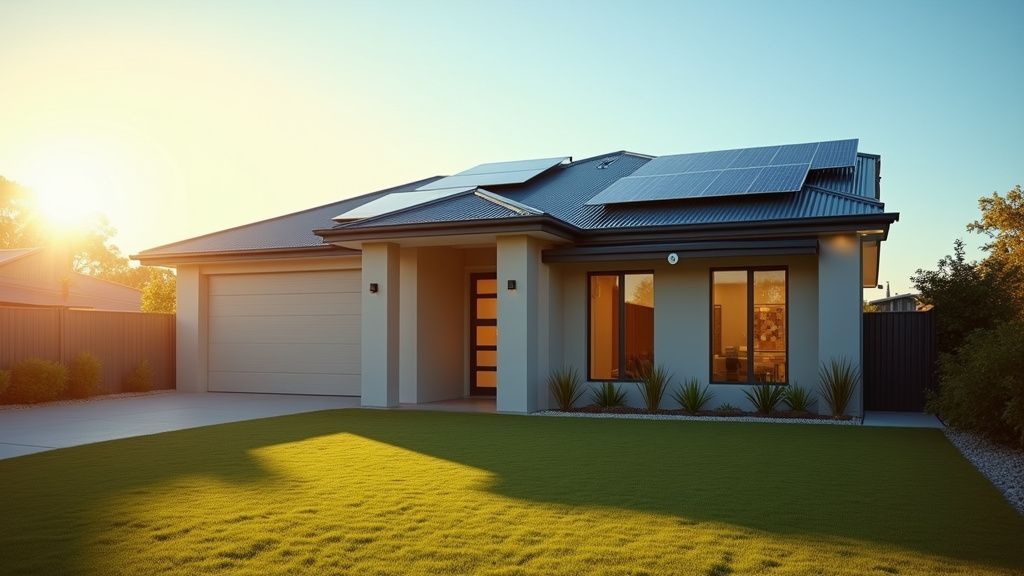
Understanding Clipping in Solar Inverters
Think of it like this: your solar panels are the tap, and your inverter is the pipe. Clipping is typically a designed feature, not a system fault.
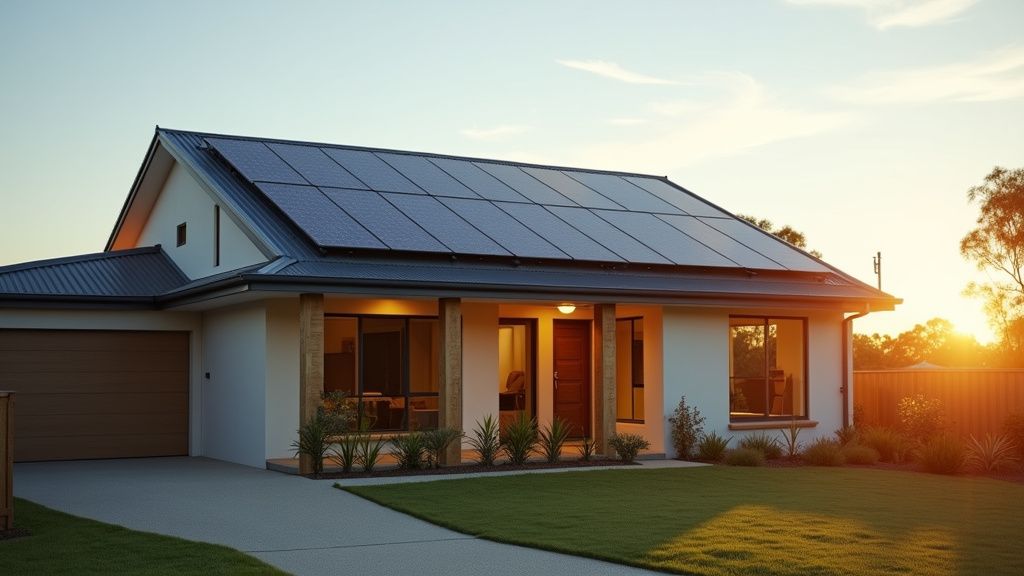
The Benefits of Inverter Oversizing for Solar Energy Systems
There is a clever trick that many Australians are using to maximise their solar energy production and savings: inverter oversizing.
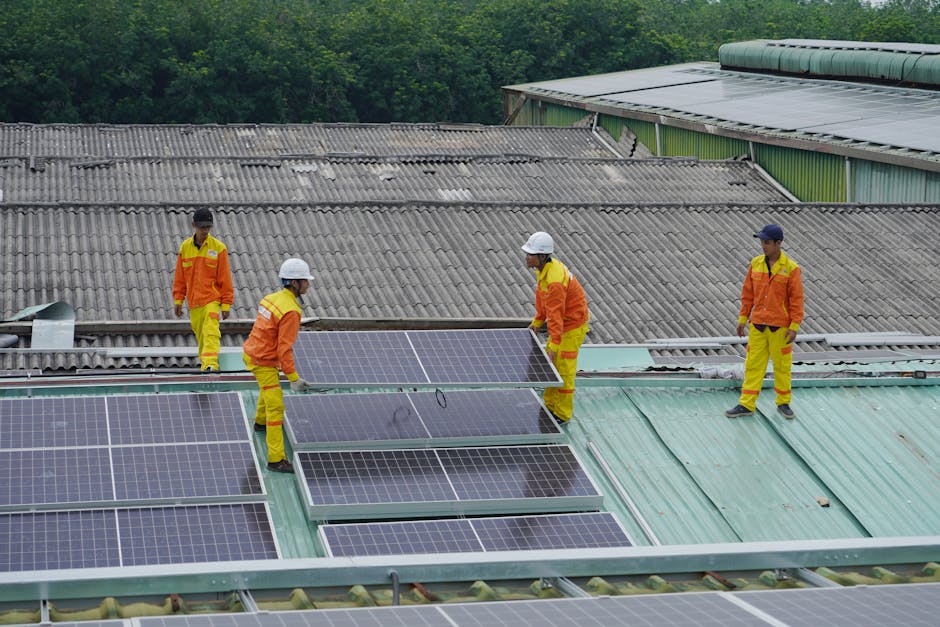
Solar Panel Installation in Australia - A Step-by-Step Guide
Installing solar panels is a fantastic way to reduce your electricity bills, shrink your carbon footprint, and increase your home's value.
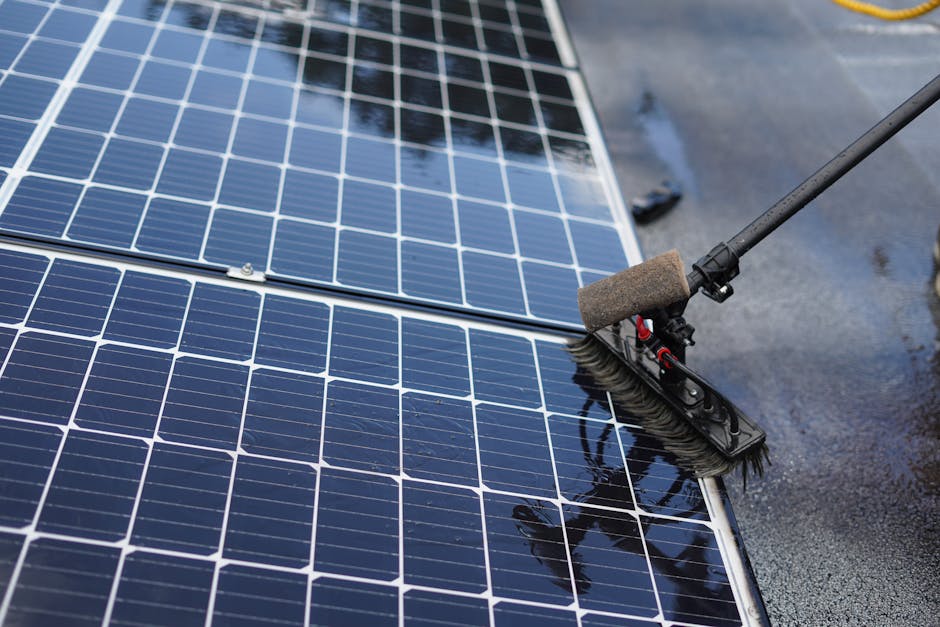
Solar Panel Cleaning and Maintenance
Regular cleaning and maintenance are necessary for optimising energy production and ensuring the longevity of your investment.
DC vs AC - Choosing the Right EV Charger for Solar PV
Almost every home EV charger is AC, and that is the right answer for a house with solar panels.
Best Solar Panels for Australian Homes in 2025: An Expert Guide
Thinking of going solar? Our 2025 guide reviews the best solar panels for Australian homes, comparing top brands like Jinko, SunPower, Trina, and more